

Supreme Court Rejects Plea to Omit Caste Enumeration from 2027 Census
The Supreme Court of India reaffirmed the government’s authority over census procedures by dismissing a public interest litigation that sought to exclude caste enumeration from the upcoming...

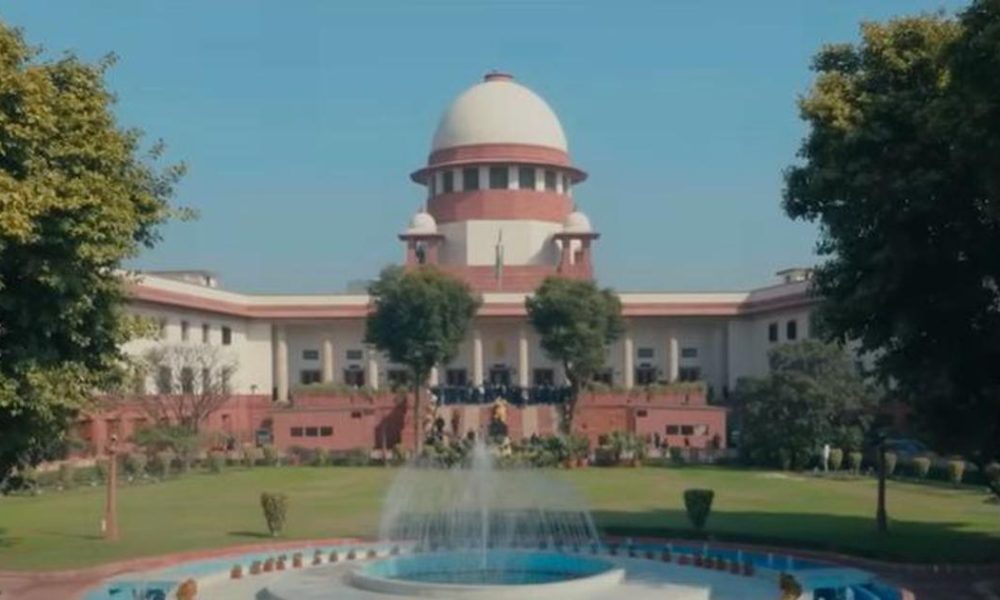
The Supreme Court of India reaffirmed the government’s authority over census procedures by dismissing a public interest litigation that sought to exclude caste enumeration from the upcoming Census 2027. The ruling, delivered on Wednesday, emphasized that such matters fall squarely within the government’s jurisdiction, and the judiciary should not interfere in policy decisions.
The bench, comprising Chief Justice Surya Kant along with Justices Joymala Bagchi and Vipul Pancholi, articulated that understanding the socio-economic demographics of the population, including determining the number of backward classes, is crucial for any ruling government. Chief Justice Kant was quoted as stating, ‘Any government of the day must know how many people are backward and how many need welfare.’ This highlights the court’s stance that caste data collection is essential for informed policymaking.
The petition raised concerns about the extensive data collection on caste, suggesting that it could lead to misuse by politicians and corporate entities. The petitioner feared that such sensitive information might be exploited for political gain or other unethical purposes. However, the Supreme Court found no substantial grounds to intervene in this matter, leading to the dismissal of the petition with a clear message of deference to the government’s purview.
Census 2027 is slated to be conducted in two phases. The first phase will involve house listing, scheduled between April and September 2026, followed by the population enumeration in February 2027. This upcoming census is particularly significant, as it will be the first comprehensive counting of all caste groups since 1931, a gap that underscores the importance of updated demographic data in India’s rapidly changing socio-political landscape.
The last complete census exercise occurred in 2011, and although India planned to initiate the first phase of the next census in 2020, the onset of the Covid-19 pandemic forced a postponement. As India prepares for Census 2027, the data collected will be pivotal in shaping welfare programs, resource allocation, and various governmental policies aimed at upliftment of marginalized communities.
In conclusion, the Supreme Court’s decision to uphold the inclusion of caste enumeration in the Census 2027 reflects a commitment to ensuring that policymakers have the necessary information to address the needs of various socio-economic groups. This will also enable the government to tailor its welfare initiatives more effectively to reach those who require assistance the most.
Source: scroll.in






No Comment! Be the first one.