

Unpacking the Duopolies That Have Shaped Independent India
In a thought-provoking discussion at the Indian Institute of Science in Bengaluru on August 6, 2019, the topic of the abrogation of Article 370 in Kashmir sparked a revealing insight from a young...

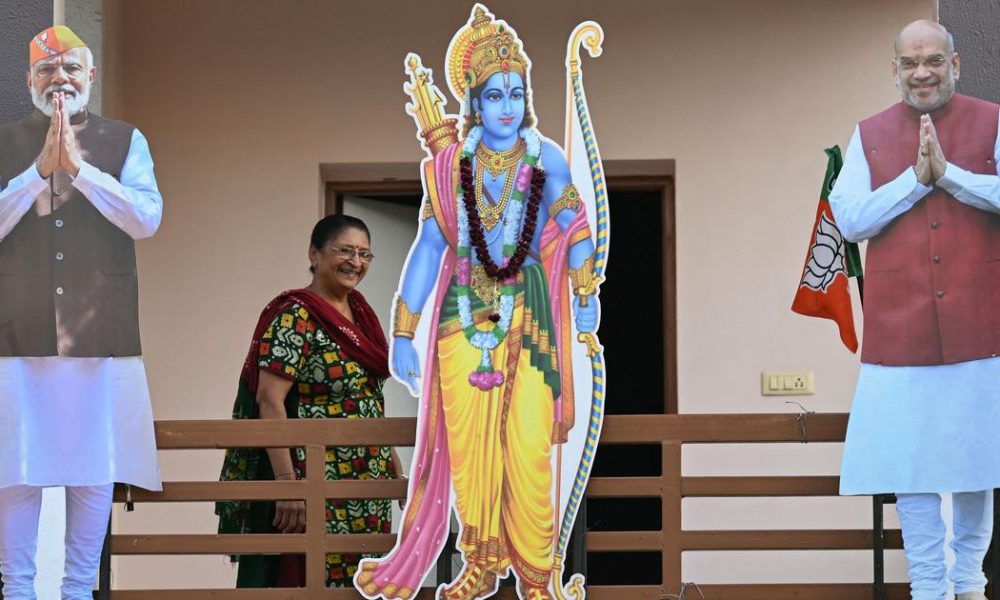
In a thought-provoking discussion at the Indian Institute of Science in Bengaluru on August 6, 2019, the topic of the abrogation of Article 370 in Kashmir sparked a revealing insight from a young computer scientist. He noted, “What we have now is not Modi 2.0, but Shah 1.0,” indicating the significant influence of Amit Shah in the political landscape of India. This statement underscored a growing perception that Amit Shah, currently the Home Minister, had emerged as a crucial player in the governance of the nation, acting with considerable autonomy alongside Prime Minister Narendra Modi.
The collaboration between Modi and Shah is not an isolated occurrence in Indian politics. A historical parallel can be drawn to the early years of independent India, particularly the partnership between Jawaharlal Nehru and Vallabhbhai Patel. Despite popular narratives that depict them as rivals, in reality, they were allies who worked hand in hand to address the pressing challenges of their time. The aftermath of Partition left the nation grappling with scarcity and divisions; it was their union that played a pivotal role in laying the foundation for a cohesive and democratic India.
The concept of duopoly in Indian politics is not new; it has often dictated the course of governance and policy-making. The Nehru-Patel alliance is just one of many historical examples where a partnership shaped the trajectory of the nation. Such collaborations have led to significant policy decisions and governance styles that resonate in the political framework today. The importance of strong partnerships in leadership cannot be underestimated, as they often bring together diverse perspectives and enable effective decision-making.
As we reflect on the current political landscape, the dynamics between leaders like Modi and Shah seem to echo the historical alliances that have defined India. The interplay of power and influence between key figures often dictates the direction of the country, raising questions about the balance of authority within the government. The implications of such duopolies extend beyond immediate political gains; they influence national identity, unity, and the ongoing struggle for democracy.
Moving forward, it is crucial for citizens and analysts alike to remain vigilant about the relationships between powerful political figures. Understanding these dynamics can provide deeper insights into the workings of governance and the future trajectory of India as a democratic nation. As history has shown, the partnerships that emerge within the corridors of power can either strengthen or undermine the fabric of democracy, and it is the responsibility of all stakeholders to ensure that they contribute positively to the nation’s progress.
Source: scroll.in







No Comment! Be the first one.