

Himachal Pradesh’s Sacred Groves: A Blend of Tradition and Environmental Conservation
In the picturesque state of Himachal Pradesh, the intertwining of faith and environmental conservation continues to play a significant role in safeguarding its lush forests. The region is known for...

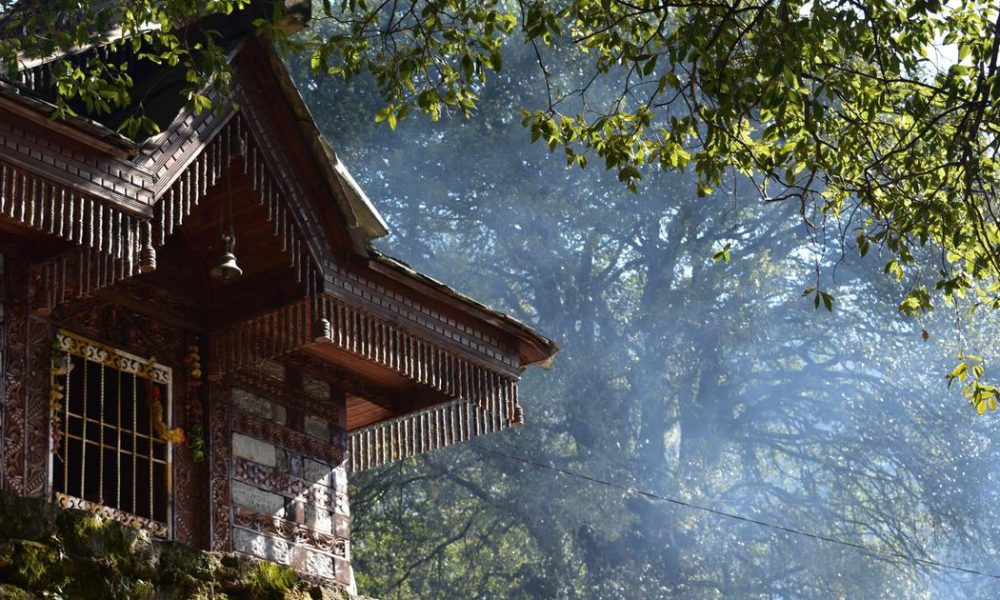
In the picturesque state of Himachal Pradesh, the intertwining of faith and environmental conservation continues to play a significant role in safeguarding its lush forests. The region is known for its sacred groves, or Dev Vans, which are patches of forest revered as sacred spaces governed by local deities. These areas are not just ecological treasures; they are deeply embedded in the cultural and religious practices of the communities that inhabit this mountainous terrain.
Himachal Pradesh, often referred to as the “Land of Unknown Gods,” spans an area of 55,673 square kilometers and boasts 514 documented sacred groves. These groves are typically located strategically in valleys and on slopes, close to villages, temples, and essential water sources. For centuries, the preservation of these forests has relied more on community customs and religious beliefs than on formal legislation. Anurita Saxena, the Principal of Rajkiya Kanya Mahavidyalaya in Shimla, emphasizes the power of faith, stating, “Nobody wants to anger the god.” This illustrates the profound respect communities have for their sacred spaces, where traditional taboos restrict activities like tree-felling, alcohol consumption, and meat entry.
The role of sacred groves extends beyond mere preservation; they are integral to the social and cultural life of Himachal’s inhabitants. Rituals and festivals are often celebrated under the shade of these ancient trees, fostering a unique bond between the people and their environment. In many villages, sacred forests are adjacent to temples and are overseen by designated caretakers known as kardars, who maintain the rules governing access and use. This community-centric approach not only maintains ecological balance but also reinforces social bonds among villagers, as they come together to celebrate their shared heritage.
However, the increasing influx of tourism and population migration is beginning to challenge these traditional beliefs and practices. As more visitors seek the natural beauty of Himachal Pradesh, there is a growing concern that the sacred groves may face pressures that could undermine their conservation. The delicate balance between attracting tourism and maintaining cultural integrity is a point of contention among locals, as the very beliefs that have protected these forests for generations are now at risk.
As Himachal Pradesh navigates these changes, the future of its sacred groves will depend on the community’s ability to adapt while staying true to their cultural roots. The preservation of these forests is not just about protecting biodiversity; it is a testament to the enduring connection between tradition and nature that has defined the region for centuries.
Source: scroll.in







No Comment! Be the first one.