

Supreme Court Directs UP Police to Present Accused in Noida Protest Case Amid Custodial Torture Allegations
In a significant development, the Supreme Court of India has mandated the Uttar Pradesh Police to bring before it two individuals detained in connection with the workers’ protests in Noida....

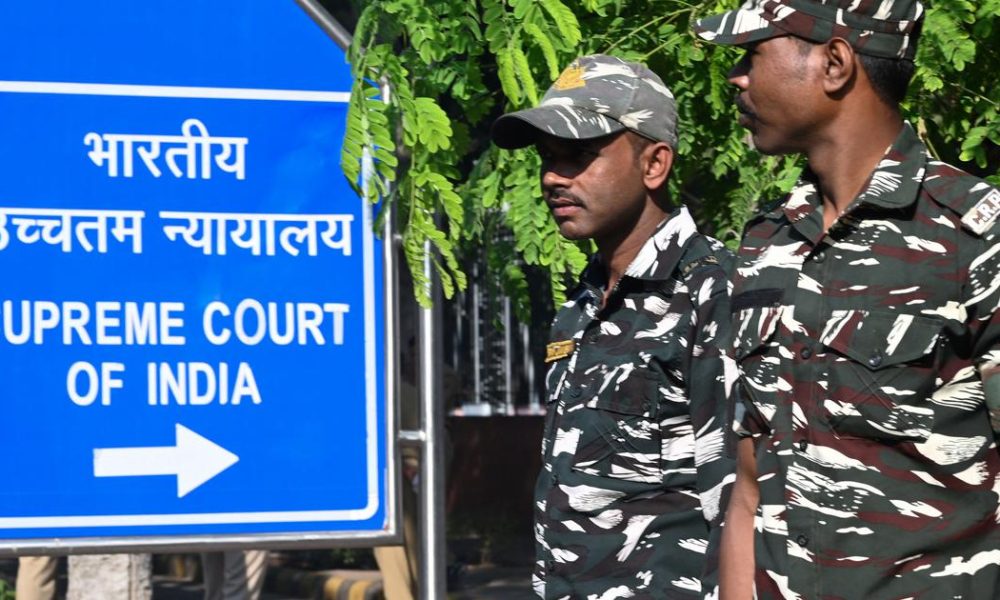
In a significant development, the Supreme Court of India has mandated the Uttar Pradesh Police to bring before it two individuals detained in connection with the workers’ protests in Noida. This order comes after a family member accused the police of subjecting one of the men to custodial torture. The Supreme Court has instructed that Aditya Anand and Rupesh Roy be produced in court by 2 PM on Monday, as per a directive from a bench comprising Justices BV Nagarathna and Ujjal Bhuyan.
The case emerged from protests that erupted in April, with Anand accused of inciting violence during the demonstrations. His brother filed a plea alleging that Anand, an engineer by profession and operator of a children’s library, faced severe mistreatment while in police custody. The allegations have raised concerns about the treatment of detainees and the adherence to legal rights.
Colin Gonsalves, representing Anand’s family, argued before the court that there is clear evidence to support their claims. He stated that Anand’s speeches during the protests were focused on advocating for workers’ rights, emphasizing their plight as factory workers. Gonsalves called for an independent investigation into the allegations of torture, implying that the situation surrounding the arrests had escalated unreasonably. He further alleged that legal representatives of Anand have faced obstructions while attempting to assist their client, raising questions about the integrity of the legal process.
In response, the Uttar Pradesh government’s counsel refuted the torture claims, asserting that all procedures followed during the arrests were in line with legal standards. The case has drawn significant attention, not only for its implications on the individuals involved but also for the broader conversation it sparks around human rights and police conduct in India, especially in relation to protests and civil liberties.
This incident is a stark reminder of the delicate balance between law enforcement and the rights of citizens, a theme that has gained prominence in recent years amid rising tensions surrounding labor rights and state responses to dissent. As the Supreme Court prepares to hear the case next week, the outcome may set a precedent for how similar incidents are handled in the future, potentially influencing public perception of police accountability in India.
Source: scroll.in







No Comment! Be the first one.