

Confronting the Growing Tide of Hate Speech in India: A Legal Perspective
Since 2014, India has witnessed a troubling rise in hate speech, predominantly targeting the country’s Muslim and Christian minorities. This phenomenon has become a normalized aspect of public...

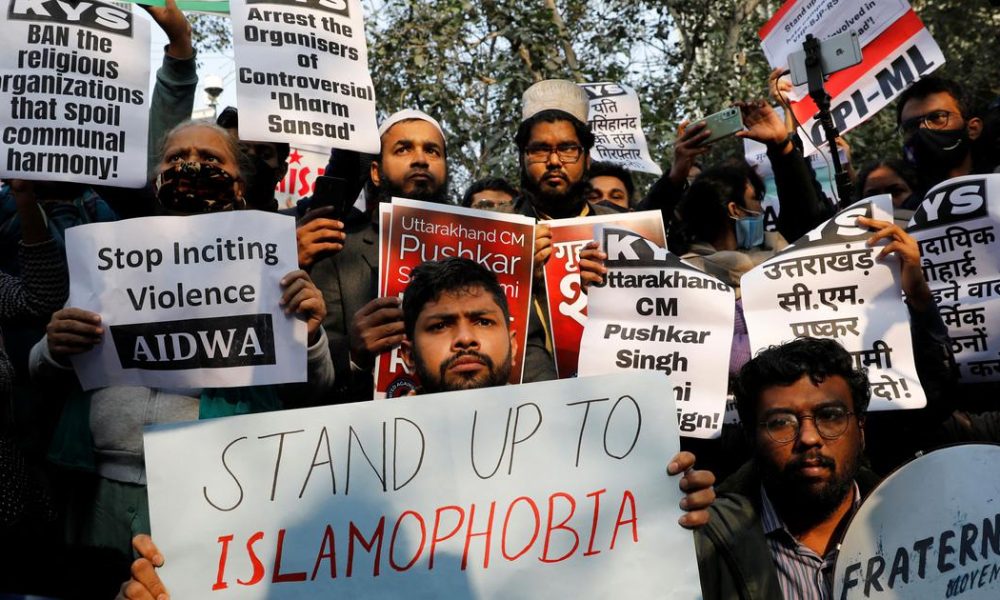
Since 2014, India has witnessed a troubling rise in hate speech, predominantly targeting the country’s Muslim and Christian minorities. This phenomenon has become a normalized aspect of public discourse, permeating various avenues of political engagement. Political rallies have increasingly become platforms for hate rhetoric, which has, alarmingly, become a cornerstone of election campaigns. Such sentiments echo not only in religious discussions but also in media channels, including television, social media, newspapers, and even cinema.
The current government, led by Prime Minister Narendra Modi, has shown a pronounced reluctance to tackle hate speech seriously. Reports indicate a general inaction from law enforcement and judiciary bodies when it comes to preventing or addressing incendiary statements that incite violence. This lack of accountability has contributed to a misguided societal narrative that unfairly characterizes Muslims as disloyal and aggressive, while painting Christians as individuals swayed by financial incentives to renounce their faith.
The failure of the criminal justice system to curtail hate speech has prompted many citizens to advocate for a specialized hate speech law. Advocates believe that the enactment of such legislation could help mitigate the pervasive spread of hateful rhetoric. In light of these concerns, legislatures in the Congress-ruled states of Karnataka and Telangana have initiated steps to introduce the nation’s first legal framework aimed at addressing hate speech. The proposed law in Karnataka is currently awaiting further action.
Proponents of a hate speech law argue that existing legal frameworks are insufficient to combat the rising tide of bigotry and intolerance. They contend that a dedicated statute could provide the necessary tools for law enforcement to effectively manage and respond to hate speech, which has increasingly become a tool for division in society. Critics, however, warn that simply legislating against hate speech may not address the root causes of social discord and could potentially be misused against those who express dissenting opinions.
As discussions around the need for a hate speech law continue, it remains crucial for India to engage in a wider conversation about the implications of hate speech on social cohesion and communal harmony. The need for a legal framework that not only punishes hate speech but also promotes understanding and dialogue among communities is more pressing than ever. The ongoing dialogue will be vital in shaping a future where diversity is celebrated rather than demonized.
Source: scroll.in







No Comment! Be the first one.