

Surge in Illegal Wildlife Trade Threatens the Delicate Ecosystem of the Himalayas
In a concerning development for biodiversity, illegal wildlife trade in the Himalayan region has seen a dramatic increase, jeopardizing its already fragile ecosystem. In February 2023, a group of 45...

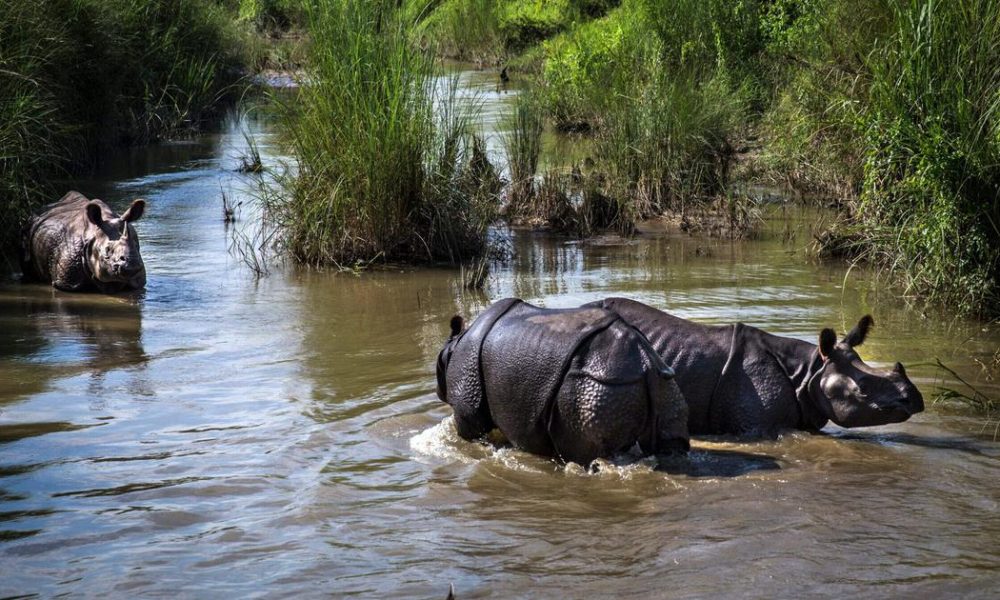
In a concerning development for biodiversity, illegal wildlife trade in the Himalayan region has seen a dramatic increase, jeopardizing its already fragile ecosystem. In February 2023, a group of 45 forest rangers and wildlife guardians launched ‘Operation Clawing Back’ in Rohru, Himachal Pradesh, targeting jewellery shops suspected of selling items crafted from leopard claws, teeth, and the feathers of protected birds. This operation sheds light on a broader crisis affecting the entire Hindu Kush Himalaya area, where illegal wildlife trafficking has reportedly doubled since 2019.
A study published in January 2023 by researchers Babar Khan and Kesang Wangchuk, from the International Center for Integrated Mountain Development in Kathmandu, highlighted the alarming rise of this illicit trade across eight countries in the region. Both India and China have reported thousands of trafficking incidents involving various endangered species, including carnivores, elephants, and pangolins, which are often exploited for their body parts and traditional medicinal use.
Illegal wildlife trade now ranks as the fourth largest international illicit activity globally, thriving on the demand for exotic animals and their derivatives. Southeast Asia has emerged as a hotspot for such criminal enterprises, but the impact is increasingly felt in the Himalayas, where over 12,000 species of plants and animals have been subjected to international trade in recent years.
The ramifications of this surge in illegal wildlife trade extend far beyond the immediate peril to individual species. The intricate mountain ecosystem of the Hindu Kush Himalaya plays a crucial role in maintaining biodiversity, and the loss of key species can disrupt the delicate balance of these habitats. As poachers and smugglers continue to exploit the region, not only does it threaten wildlife, but it also undermines local communities that depend on these ecosystems for their livelihoods.
Conservationists and wildlife officials are urging greater awareness and action to combat this issue. The recent raids serve as a reminder of the urgent need for coordinated efforts among governments, NGOs, and local communities to protect India’s rich biodiversity and the integrity of the Himalayan environment. Addressing this crisis requires a multi-faceted approach, including stricter enforcement of wildlife protection laws, enhanced community engagement, and education to mitigate human-wildlife conflict.
Source: scroll.in







No Comment! Be the first one.