

Supreme Court Grants Anticipatory Bail to Congress Leader Pawan Khera Amid Political Controversy
In a significant legal development, the Supreme Court of India has granted anticipatory bail to Congress leader Pawan Khera, who faced charges filed by the Assam Police. This decision comes in...

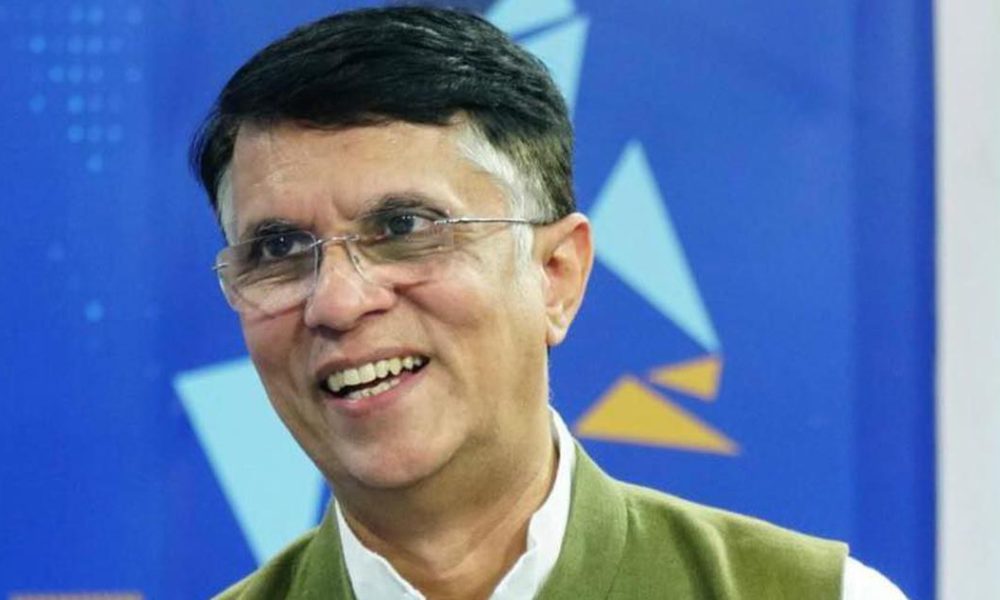
In a significant legal development, the Supreme Court of India has granted anticipatory bail to Congress leader Pawan Khera, who faced charges filed by the Assam Police. This decision comes in response to Khera’s appeal against an earlier ruling by the Gauhati High Court, which denied him similar relief on April 24. The Supreme Court found that the High Court’s approach was flawed, as it placed undue responsibility on Khera, rather than evaluating the merits of the case objectively.
The Supreme Court’s bench noted that the allegations against Khera seemed politically motivated and did not justify a need for custodial interrogation. Khera has been accused of defamation, forgery, and criminal conspiracy by Riniki Bhuyan Sarma, the wife of Assam’s Chief Minister Himanta Biswa Sarma. The controversy revolves around Khera’s claims about Sarma holding multiple passports, which has sparked a fierce political backlash.
Meanwhile, in West Bengal, the Calcutta High Court has dismissed a petition from the Trinamool Congress (TMC) that sought to challenge the Election Commission’s directive to utilize central government officials as supervisors during the counting of votes for the upcoming Assembly elections. The counting process is set to take place on Monday, and the state chief electoral officer has mandated that every counting station must include at least one employee from the central government, raising concerns about impartiality in the election process.
The TMC had expressed apprehensions regarding the involvement of Union government employees, fearing that it could compromise the integrity of the counting process, especially in a politically charged environment. The court’s dismissal of their petition reinforces the Election Commission’s authority in conducting fair elections, while also highlighting the tension between state and central authorities in this politically sensitive region.
As the political landscape in India continues to evolve, these developments serve as a reminder of the intricate interplay between justice, political strategy, and electoral integrity. Both Khera’s case and the situation in West Bengal reflect the ongoing challenges faced by political entities in navigating accusations and maintaining their credibility amid a contentious environment.
Source: scroll.in






No Comment! Be the first one.