

Romila Thapar and the Politics of History in Contemporary India
In the current sociopolitical landscape of India, history has become a contentious subject. With the Bharatiya Janata Party (BJP) and its Hindutva followers often invoking India’s medieval past...

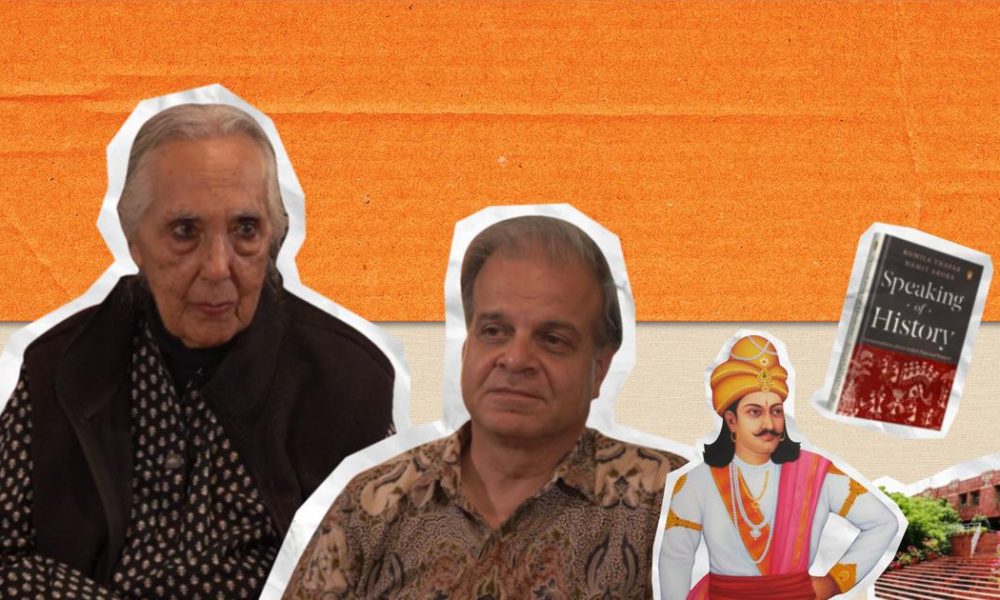
In the current sociopolitical landscape of India, history has become a contentious subject. With the Bharatiya Janata Party (BJP) and its Hindutva followers often invoking India’s medieval past to bolster their political agenda, the field of history is now at the center of passionate debates and ideological clashes.
In a recent collaboration with writer Namit Arora, renowned historian Romila Thapar explores this intricate relationship in their book titled “Speaking of History.” They provide a critical examination of how history is perceived and utilized in contemporary India. The book delves into the significance of popular history and scrutinizes the narrative of ongoing Hindu-Muslim conflict, suggesting that these discussions often reflect more about current societal dynamics than historical truths.
Thapar, who has faced considerable backlash from right-wing factions for her views, discusses the challenges posed by the political exploitation of historical narratives. She asserts that while short-term political narratives may gain traction, the rigor and depth of academic history will ultimately prevail. This assertion speaks volumes about the role of historians in shaping public understanding of the past amidst a backdrop of rising nationalism.
The discourse around history is particularly relevant in an era where educational curricula are being revised and the interpretation of key events is subject to contentious debate. Thapar’s insights provide a critical perspective on why historical accuracy, objectivity, and scholarly rigor are essential in countering politically motivated distortions.
As Thapar engages in this complex dialogue, she emphasizes the importance of fostering an informed public that values historical truths over populist narratives. This conversation, which continues to unfold, not only reflects the ongoing struggle for intellectual integrity but also highlights the vital role that historians will play in shaping India’s future.
Source: scroll.in




No Comment! Be the first one.