

Transformative Power of Modern Education in Empowering Women during British India
In 1883, Parvati Nawar, a humble fish vendor from a presidency town, made a bold move by writing to the British Raj government, seeking protection against police oppression in her local market. Her...

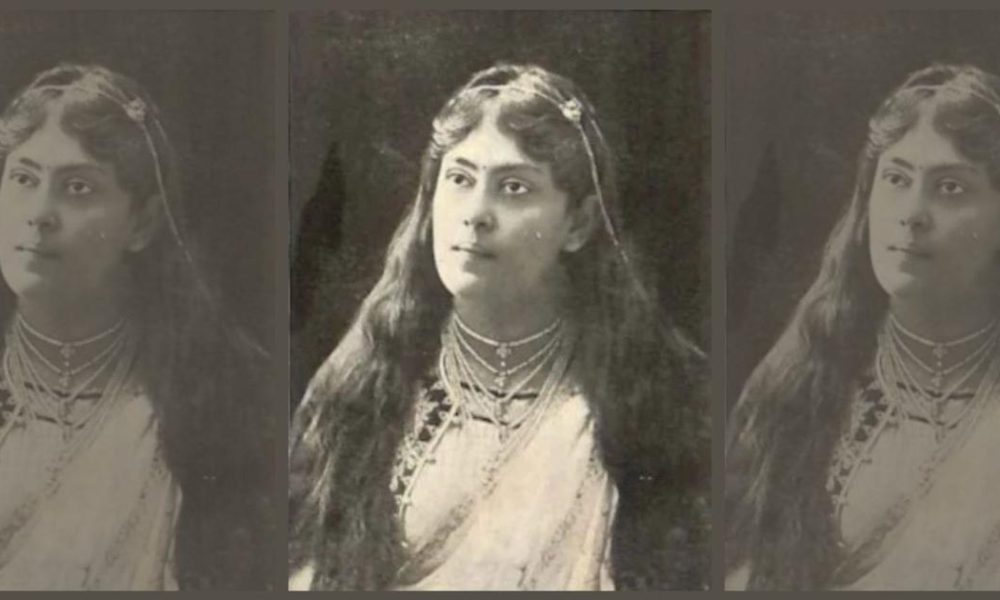
In 1883, Parvati Nawar, a humble fish vendor from a presidency town, made a bold move by writing to the British Raj government, seeking protection against police oppression in her local market. Her act of defiance against the colonial authority is remarkable not just for its courage but also for the formal structure of her letter, which compelled the ruling powers to acknowledge it. While it remains unclear if her appeal led to any intervention, this incident epitomizes the rising social consciousness that permeated British India during that era.
The role of modern education in this context cannot be overstated. During the colonial period, access to education was heavily influenced by caste and class, but there were significant strides toward democratization in education, particularly in urban centers. The influence of subaltern social reform movements played a crucial role in this transformation, often aligning with the policies of the colonial government. These reforms contributed to a more literate population, enabling individuals from various backgrounds to advocate for their rights and improve their socio-economic conditions.
In addition to the formal education systems established in presidency towns, the efforts of missionary organizations were instrumental in promoting literacy among marginalized communities. In many regions, these missions not only provided education but also facilitated the conversion of entire tribes to Christianity, which often came with an introduction to modern literacy. The Khasi Syiems, or chiefs, of northeastern India exemplified this shift as they began expressing their desire for schools within their territories, demonstrating a proactive approach to education. Women in these communities were equally eager to embrace learning opportunities, marking a significant cultural shift.
The increase in the availability of educational materials—books, slates, and paper—corresponded with the rise in the number of schools across various regions. This growing inclination towards education, particularly among women, heralded the beginning of a new era, as women began to carve out their space in society. By pursuing education, they sought not only personal empowerment but also a means to contribute to the broader social narrative that challenged the traditional norms of patriarchy.
In conclusion, the narrative of modern education in British India stands as a testament to the gradual yet transformative journey toward women’s empowerment. As women like Parvati Nawar began to articulate their grievances in ways that could not be overlooked, the foundation for future movements advocating for gender equality and education was laid. The legacy of this era continues to resonate in contemporary India, reminding us of the pivotal role that education plays in the quest for freedom and self-expression.
Source: scroll.in





No Comment! Be the first one.