

Iranian Delegation in Islamabad for Crucial Talks with the US Amid Ceasefire Agreement
An Iranian delegation, spearheaded by Parliament Speaker Mohammed Bagher Ghalibaf, has arrived in Islamabad, Pakistan, to engage in discussions with representatives from the United States. This visit...

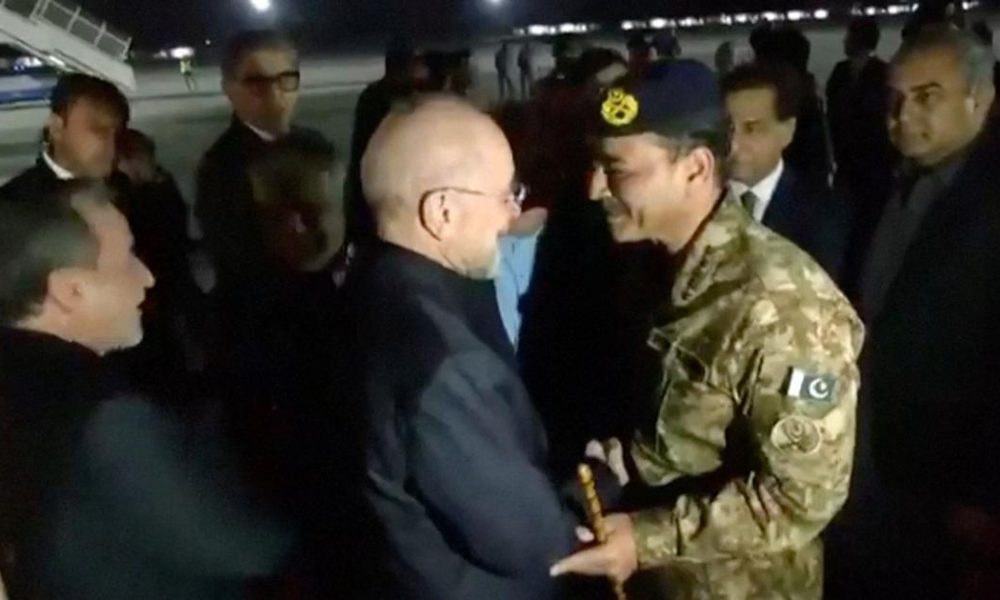
An Iranian delegation, spearheaded by Parliament Speaker Mohammed Bagher Ghalibaf, has arrived in Islamabad, Pakistan, to engage in discussions with representatives from the United States. This visit marks a significant step in the ongoing negotiations aimed at stabilizing tensions in West Asia.
Joining Ghalibaf are notable figures including Iran’s Foreign Minister Abbas Araghchi, Ali Akbar Ahmadian, the Secretary of the Supreme National Security Council, and Abdolnaser Hemmati, the Central Bank Governor. Their presence underscores Iran’s commitment to pursuing diplomatic channels in the wake of a recent ceasefire agreement reached with the US, which is set to last for two weeks and potentially pave the way for a more lasting resolution to the conflict.
Reports indicate that US Vice-President JD Vance is also en route to Pakistan, leading the American delegation for these pivotal discussions. The backdrop of this meeting is critical, as it follows a series of escalating tensions between the two nations, which have historically been fraught with mistrust. Ghalibaf expressed his skepticism regarding the negotiations, stating that two pre-agreed measures have yet to be fulfilled: a ceasefire in Lebanon and the release of Iran’s frozen assets.
Upon his arrival at Islamabad airport, Ghalibaf conveyed to Iranian state media that while his delegation comes with goodwill, there remains a significant lack of trust in American counterparts. He emphasized that should the US demonstrate readiness for a “genuine agreement,” Iran would be open to reciprocate. However, he lamented the history of negotiations with the US, which he claimed have often resulted in unmet commitments and failures.
This high-stakes diplomatic endeavor comes at a time when regional stability is paramount. Stakeholders across West Asia are closely monitoring the outcome of these discussions, which hold the potential to influence broader geopolitical dynamics. As both countries grapple with their complex histories, the international community watches with bated breath to see if this latest round of negotiations will yield fruitful results or further entrench existing divides.
Source: scroll.in





No Comment! Be the first one.