

Evolving Dynamics: India and China’s Diplomatic Engagement Post-Galwan Conflict
The geopolitical landscape in South Asia is witnessing a gradual shift, particularly in the wake of the Galwan clash that marked a significant turning point in India-China relations. As the ceasefire...

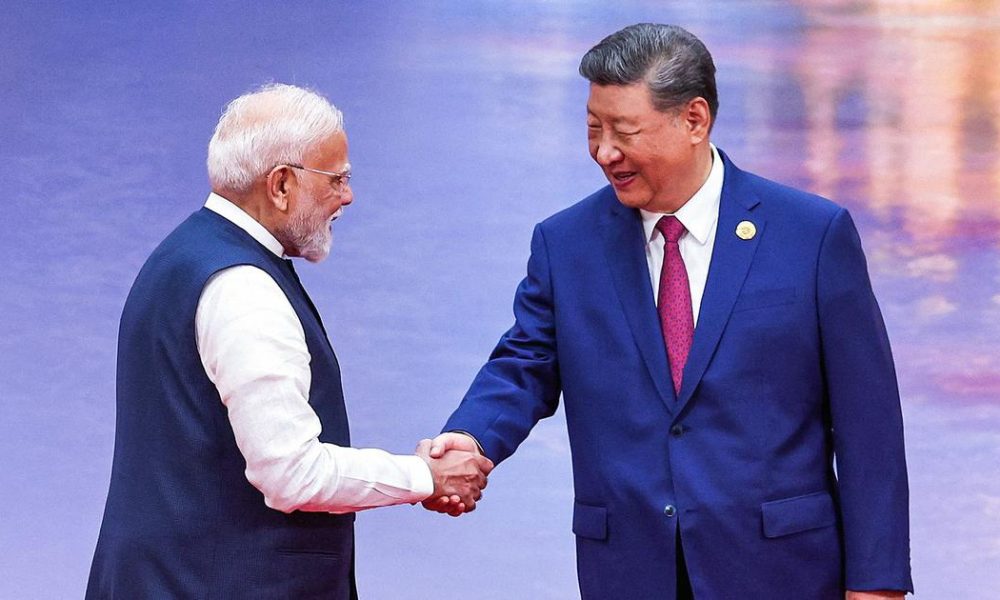
The geopolitical landscape in South Asia is witnessing a gradual shift, particularly in the wake of the Galwan clash that marked a significant turning point in India-China relations. As the ceasefire holds in the Middle East, India seems to be exploring warmer diplomatic ties with its northern neighbor, China, nearly six years after the fateful skirmish on the Line of Actual Control (LAC) that resulted in casualties for the first time in nearly four decades.
In a notable move reflecting this thaw, India has recently lifted some trade restrictions that were imposed following the Galwan conflict in 2020. This decision paves the way for increased Chinese investment in India, a development that has been anticipated since suggestions from India’s Chief Economic Adviser two years prior. Additionally, preparations are underway for resuming border trade at the Lipulekh Pass, which had been stalled for six years, signaling a significant step toward re-establishing economic links.
India’s National Security Advisor, Ajit Doval, noted last year that relations with China are on an “upward trend.” Similarly, Chinese Foreign Minister Wang Yi echoed these sentiments in March, indicating that both nations are on the path to improvement. However, experts caution against labeling this shift as a complete reset. Jabin Jacob, a prominent analyst, remarked that it might be better described as a “timepass reset,” implying that while there is progress, it lacks depth and commitment.
The diplomatic thaw has been accompanied by several key developments, including a military agreement on border patrolling signed in October 2024, which aims to enhance security and cooperation along the contentious borders. Furthermore, advancements in visa arrangements, direct flight services, and the acquisition of vital equipment from China underscore a willingness to engage more closely. Prime Minister Narendra Modi’s anticipated visit to Tianjin for the Shanghai Cooperation Organization summit exemplifies the growing official engagement between the two nations.
Despite these encouraging signs, there remains an undercurrent of skepticism regarding the sustainability of this diplomatic rapprochement. Historical tensions and ongoing border disputes linger in the background, raising questions about the long-term efficacy of these initiatives. As India navigates its complex geopolitical environment, the delicate balancing act between fostering improved relations with China while safeguarding national interests will be critical in shaping the future of Indo-China ties.
Source: scroll.in







No Comment! Be the first one.