

Government’s Warning to X Over Journalist Rana Ayyub’s Posts: Safe Harbour at Risk
In an important development, the Union government along with the Delhi Police has informed the Delhi High Court that the failure of social media platform X to remove posts made by journalist Rana...

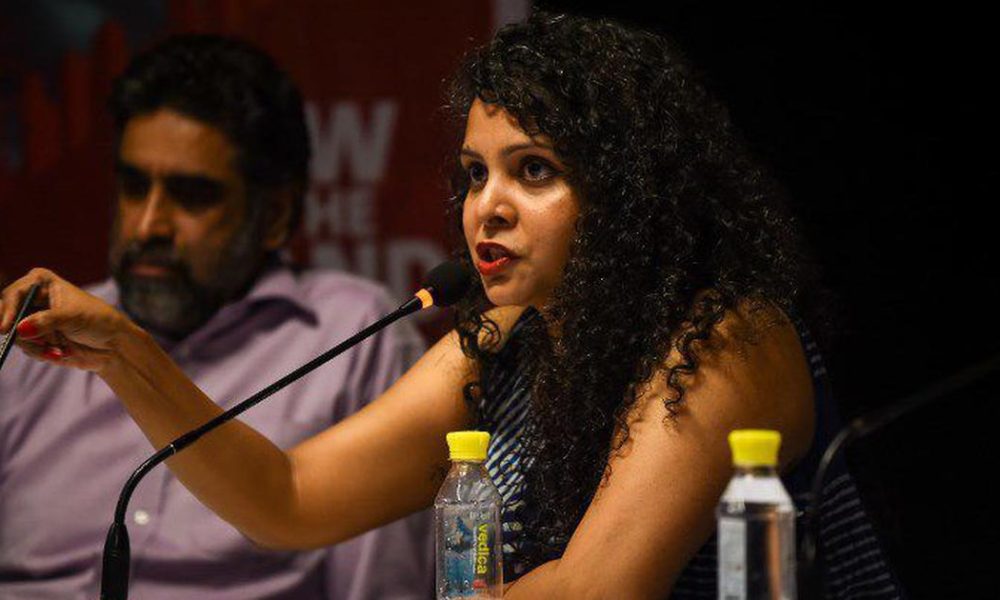
In an important development, the Union government along with the Delhi Police has informed the Delhi High Court that the failure of social media platform X to remove posts made by journalist Rana Ayyub could jeopardize its safe harbour protections in India. This warning emerges amidst claims that Ayyub’s posts, considered to be inflammatory, have not been taken down despite court orders.
The matter was brought to light in affidavits submitted to Justice Purushaindra Kumar Kaurav, in response to a petition filed by lawyer Amita Sachdeva. The petition specifically requests the removal of six posts made by Ayyub between 2013 and 2017, which focus on Hindu deities and Hindutva ideologue Vinayak Savarkar. The urgency of the situation was underscored on Wednesday when the court instructed both the police and X to take necessary actions against Ayyub regarding these posts.
Justice Kaurav emphasized the need for immediate action, highlighting the potentially harmful nature of the content and its implications for communal harmony in the country. He referred to the derogatory and inflammatory nature of Ayyub’s tweets, which have reportedly led to the registration of a First Information Report (FIR) following a competent court’s orders. The court’s stance indicates a serious consideration of the legal responsibilities of social media platforms under Indian law.
Section 79 of the Information Technology Act provides safe harbour protections to platforms, shielding them from liability for content posted by users. However, failure to comply with court directives for content removal could lead to the withdrawal of these protections, placing X in a vulnerable position. As the legal proceedings unfold, both Ayyub and X have been issued notices by the court, requiring their responses to the petition by the following Thursday.
This case highlights the ongoing tensions between freedom of expression and the need to maintain communal harmony, a persistent theme in India’s socio-political landscape. As the legal landscape regarding online content evolves, the responsibilities of social media platforms continue to come under scrutiny, raising significant questions about the balance between user rights and societal responsibilities.
Source: scroll.in







No Comment! Be the first one.