

Nairobi’s Housing Initiative: Progress or Displacement in Kibera?
Nairobi has embarked on an ambitious redevelopment initiative in Kibera, one of the city’s most recognized informal settlements. Under the leadership of President William Ruto, bulldozers are...

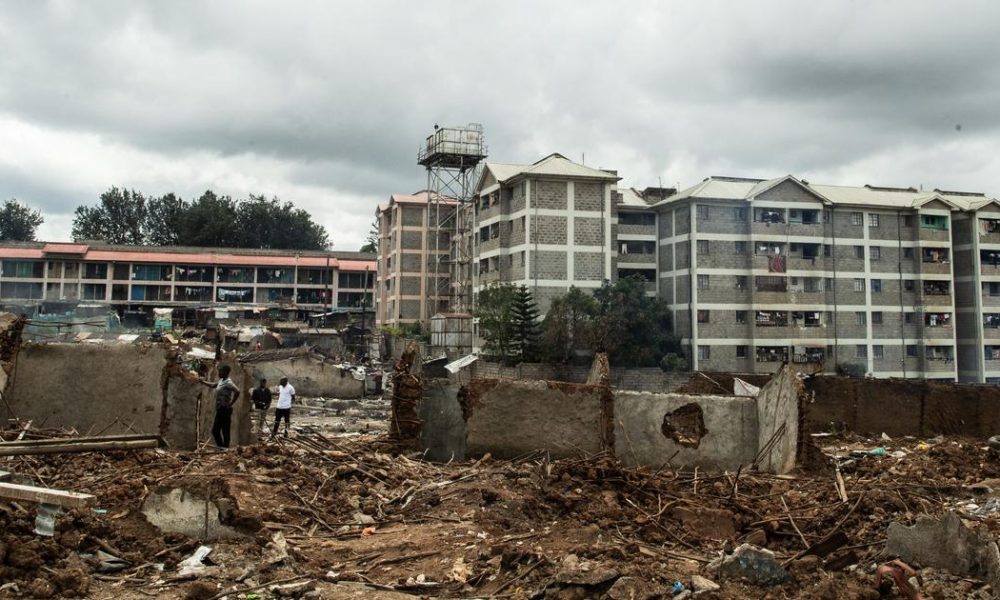
Nairobi has embarked on an ambitious redevelopment initiative in Kibera, one of the city’s most recognized informal settlements. Under the leadership of President William Ruto, bulldozers are transforming the landscape, and new apartment complexes are emerging alongside the traditional corrugated-iron homes. This project is touted as a critical component of Kenya’s affordable housing program, which aims to provide modern living spaces to those in need amidst urban poverty.
The government’s housing initiative is part of a broader vision to deliver 200,000 housing units annually, encompassing a mix of social housing, affordable units, and market-rate properties. Since President Ruto assumed office in September 2022, reports indicate that 8,367 units have been completed as of March 2026, yet this figure falls short of the ambitious annual target, highlighting the challenges ahead in meeting the pressing housing demands.
While proponents of the project view it as a long-awaited enhancement of urban infrastructure and living conditions, there are significant concerns regarding its financing structure. The program is partially funded through a compulsory levy, which requires employees to contribute 1.5% of their monthly salary, matched by a similar contribution from employers. This has raised eyebrows, particularly among those in the informal sector who are also subject to the same percentage of their gross income. Critics argue that the financing model may disproportionately impact lower-income households, raising questions about the affordability and accessibility of the new homes being built.
Scholars and researchers who have studied Nairobi’s informal settlements for decades emphasize the social consequences of such redevelopment policies. They argue that while the intention to improve living conditions is commendable, the execution raises significant ethical issues regarding displacement and the genuine benefits for low-income residents. Many fear that the new housing may ultimately cater to more affluent individuals, sidelining the very communities that have long called Kibera home.
This redevelopment project not only reflects Nairobi’s urbanization but also illustrates a broader trend across many developing nations, where rapid urban growth often clashes with the needs of marginalized populations. As the city progresses towards modernity, the challenge remains to ensure that growth is inclusive, transparent, and beneficial to all segments of society.
Source: scroll.in






No Comment! Be the first one.