

Supreme Court Affirms Rights of Transgender Individuals Amid New Amendments
The Supreme Court of India has reaffirmed that the recent amendments to the Transgender Persons Protection of Rights Act, passed in March 2026, will not retroactively affect the rights granted to...

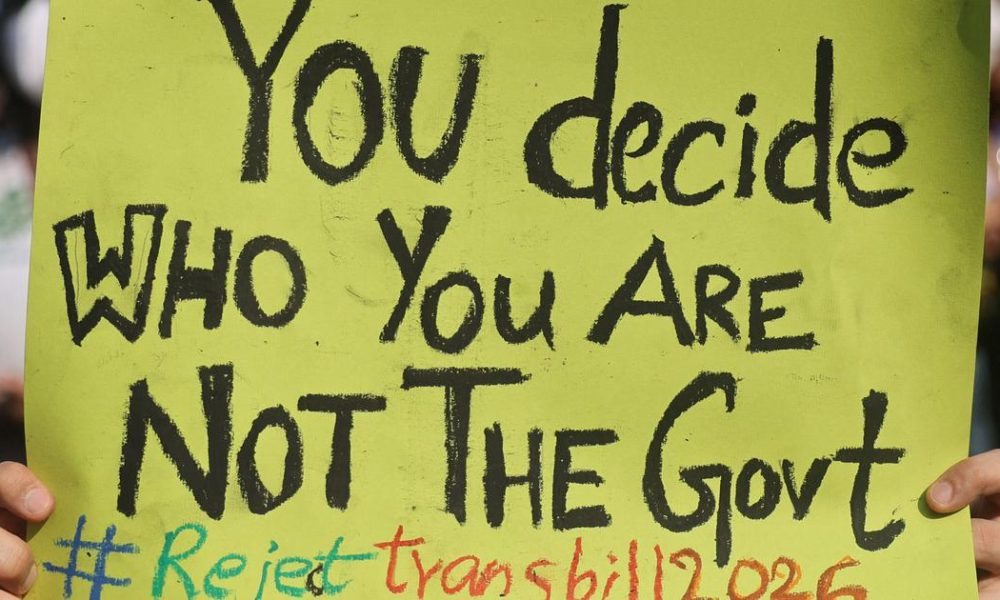
The Supreme Court of India has reaffirmed that the recent amendments to the Transgender Persons Protection of Rights Act, passed in March 2026, will not retroactively affect the rights granted to transgender individuals under earlier legislation. This clarification came during a verbal exchange with the Union government, addressing concerns raised by petitioners from the transgender community and various activists.
The 2026 amendments, which modify the 2019 Act, have sparked considerable debate due to their provisions that redefine the criteria for identifying as a transgender person. Notably, the amendments remove the right to self-identify one’s gender, restricting legal recognition to those who meet specific biological or physiological characteristics. Furthermore, the updated law mandates medical evaluations and certifications for individuals seeking legal acknowledgment of their gender identity, thereby placing the authority in the hands of medical professionals.
Advocates for the transgender community have expressed grave concerns regarding the implications of these amendments, arguing that they effectively grant the government disproportionate power to dictate gender identity. During the court proceedings, petitioners emphasized the significance of the transgender cards issued under previous laws, describing these documents as crucial for identity and dignity. The legal representatives for the petitioners sought an interim order to maintain the status quo, ensuring that the rights previously granted to transgender individuals remain intact.
Justice Joymalya Bagchi, who presided over the hearing, demonstrated the court’s commitment to safeguarding the rights of the transgender community. He communicated that the 2026 amendments would be interpreted as prospective, indicating that they will not invalidate existing rights or documents issued prior to their enactment. This statement provides a ray of hope to many who fear the implications of the new law on their identities and rights.
The public discourse surrounding these amendments continues to evolve, as various stakeholders voice their opinions on the balance between societal norms and individual rights. As India navigates the complexities of legal recognition for transgender individuals, the Supreme Court’s stance underscores the importance of ensuring that any legislative changes respect and uphold the rights of the most vulnerable members of society.
Source: scroll.in







No Comment! Be the first one.