

Exploring the Valor of Chand Bibi: A Historical Account of Her Resistance in the Deccan
In the year 1558, the city of Ahmadnagar was abuzz with excitement following a significant military victory by Sultan Hussain Nizam Shah I. This triumph was not merely a local win; it marked a...

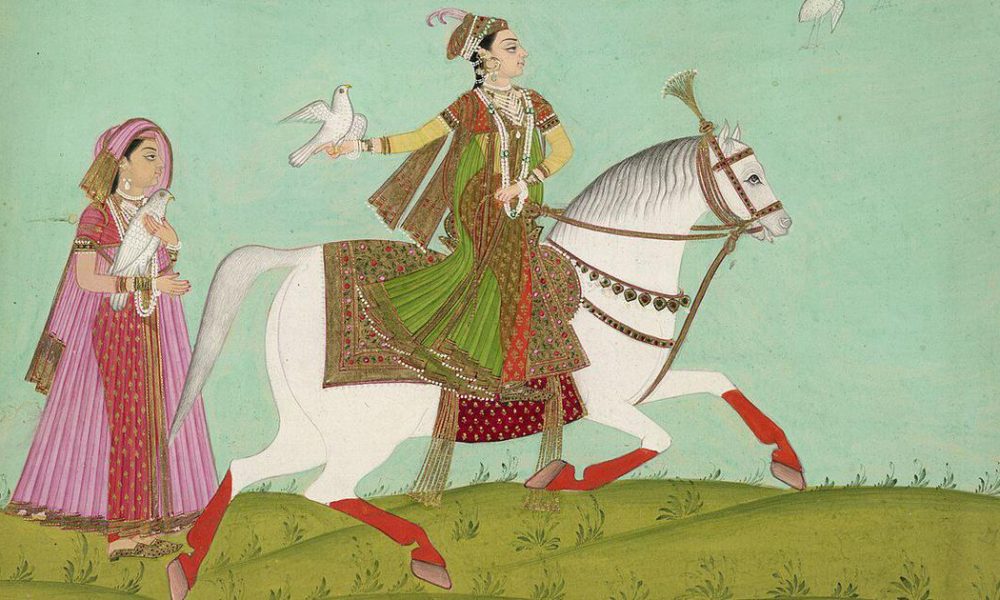
In the year 1558, the city of Ahmadnagar was abuzz with excitement following a significant military victory by Sultan Hussain Nizam Shah I. This triumph was not merely a local win; it marked a pivotal moment in the ongoing power struggle between the Nizam Shahi dynasty and the formidable forces of the Mughal Empire. Hussain’s army successfully vanquished a powerful coalition comprising the Adil Shahi forces from Bijapur and the imperial troops of Vijayanagar, sending ripples of joy throughout the region.
To commemorate this hard-fought victory, vibrant flags were hoisted across the city, fluttering in the warm Deccan breeze as messengers, or khabar-rasān, rushed through the streets of Ahmadnagar. These heralds delivered the joyful news to various artisans and tradespeople, including potters, bakers, and cloth dyers, who eagerly absorbed the information. The streets were alive with chatter and celebration, as the triumph was not only a military success but also a testament to the resilience and strength of the Nizam Shahi rule.
The success of Sultan Hussain can be attributed partly to the betrayal by General Saif ‘Ainul Mulk, who had previously switched loyalties, undermining the Nizam Shahi cause in favor of Bijapur. His actions led to chaos as he plundered the fertile lands of Bijapur, forcing local farmers to feed his rogue army. The situation grew increasingly dire for Bijapur’s aging Sultan, who found himself squeezed between Hussain’s forces and the insurrection led by Saif.
In a desperate bid for salvation, the Sultan of Bijapur sought assistance from the Vijayanagar Empire, highlighting the complex web of alliances and enmities that characterized the Deccan during this era. The political landscape was fraught with shifting loyalties, and the outcome of these battles would have lasting implications for the region. Chand Bibi, the courageous queen and daughter of the Sultan of Ahmednagar, played a crucial role during this turbulent time, standing firm against the Mughal advances and becoming a symbol of resistance.
This historical account not only sheds light on the military strategies and political maneuvering of the time but also spotlights the pivotal contributions of women like Chand Bibi, whose leadership and valor have been instrumental in shaping the Deccan’s history. Her story, alongside the events of 1558, serves as a reminder of the rich tapestry of India’s past, woven with tales of bravery, betrayal, and resilience in the face of overwhelming odds.
Source: scroll.in







No Comment! Be the first one.