

RJD MP Manoj Jha Approaches Supreme Court Over Police Violence During Bihar Protests
Rashtriya Janata Dal (RJD) Member of Parliament Manoj Kumar Jha has filed a petition in the Supreme Court of India, demanding the registration of First Information Reports (FIRs) against police...

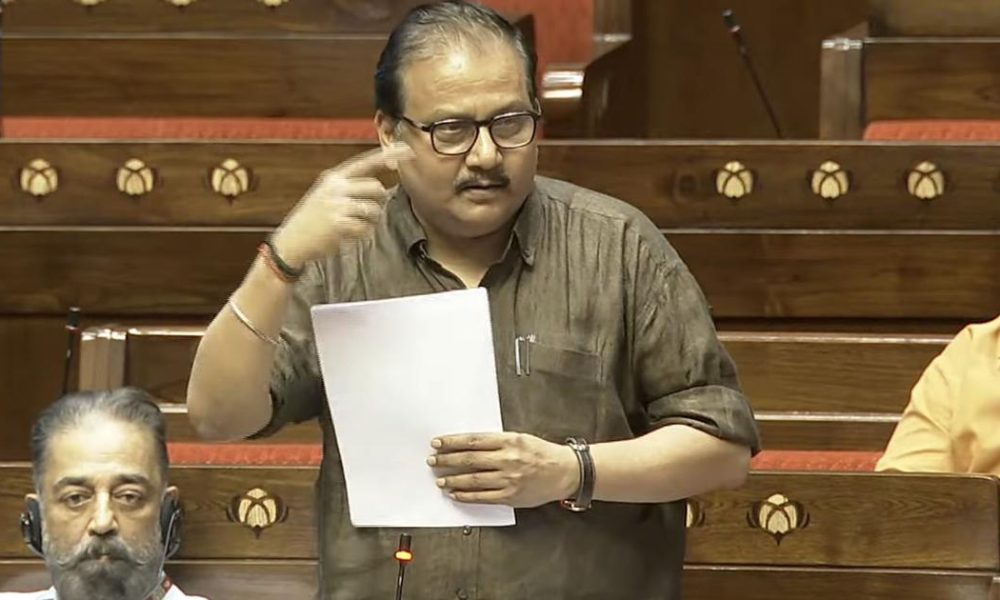
Rashtriya Janata Dal (RJD) Member of Parliament Manoj Kumar Jha has filed a petition in the Supreme Court of India, demanding the registration of First Information Reports (FIRs) against police personnel who allegedly fired upon demonstrators in Bihar. The protests in question were sparked by claims of irregularities in competitive examinations, echoing a larger movement among youth across the country, particularly in Delhi, where demonstrators are calling for the resignation of Union Education Minister Dharmendra Pradhan. Notably, Pradhan resigned last Saturday amid escalating tensions.
On the day of the incident, three protesters sustained injuries when police opened fire during a demonstration in Siwan district, as tensions flared after protesters allegedly hurled stones at law enforcement officers. This incident followed a similar outbreak of violence in Jehanabad just two days earlier, raising concerns over the use of force by law enforcement in handling public dissent.
In his petition, Jha has urged the Supreme Court to issue directives mandating state governments to initiate both criminal and disciplinary actions against the police officers involved in these incidents of alleged excessive aggression. Furthermore, Jha is advocating for compensation and coverage of medical expenses for those injured due to police actions during the protests.
Highlighting the importance of protecting student rights, Jha has also requested the court to ensure that state authorities refrain from intimidating, threatening, or unlawfully detaining students who participated in these protests. He has called for transparency from state governments regarding the number of FIRs filed against students for their involvement in the demonstrations that occurred between July 20 and July 25.
The recent unrest reflects broader issues concerning youth dissatisfaction with the government regarding educational policies and employment opportunities. As protests continue to unfold, the actions of police and the responses of authorities will likely remain under scrutiny, with implications for civil liberties and the handling of dissent in India.
Source: scroll.in





No Comment! Be the first one.