

Supreme Court Affirms Right to Peaceful Protest, Critiques Police Excesses
The Supreme Court of India on Monday stressed the constitutional right to peaceful protest, condemning the excessive use of police force against demonstrators. Chief Justice Surya Kant emphasized...

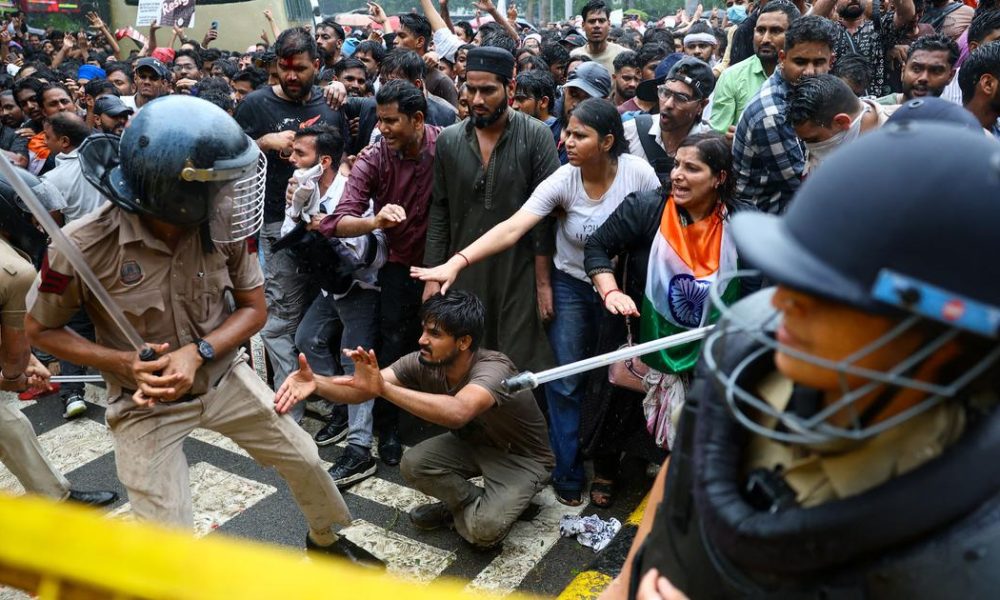
The Supreme Court of India on Monday stressed the constitutional right to peaceful protest, condemning the excessive use of police force against demonstrators. Chief Justice Surya Kant emphasized that the presence of agitation alone does not justify a violent response, noting, “Just because there is an agitation does not mean there should be lathi-charge.” This remark came during the hearing of a case concerning police brutality faced by protesters who were marching towards Parliament on July 20, organized by the Cockroach Janta Party political campaign.
The Chief Justice highlighted the necessity for self-imposed discipline within law enforcement, asserting that such restraint is crucial for the health of a democracy. The court’s observations follow reports of violent encounters between police and protesters, including incidents in Bihar where excessive force was reported. Allegations surfaced that law enforcement officials opened fire on demonstrators in Siwan district, resulting in injuries to three individuals.
In light of these events, several petitions have been filed in the Supreme Court seeking comprehensive guidelines to regulate police conduct during public protests. The petitioners argue for a prohibition on deploying plainclothes officers for crowd control, citing their potential to escalate tensions rather than manage them. Additionally, there is a call for clarifying the application of Section 163 of the Bharatiya Nagarik Suraksha Sanhita, which empowers authorities to impose prohibitory orders in situations deemed urgent or dangerous.
The ongoing dialogue around the right to protest and police accountability reflects a broader concern within Indian society about civil liberties and the proper balance of power during times of unrest. The Supreme Court’s intervention underscores a pivotal moment in the discourse on democratic rights, inviting further scrutiny of how state apparatus interacts with the fundamental freedoms guaranteed to citizens.
Source: scroll.in






No Comment! Be the first one.