

The Crisis of Education in India: From Certainty to Uncertainty
In recent years, a pressing crisis has emerged within Indian society, bringing the long-held belief that education guarantees social and economic advancement into question. The ongoing protests by...

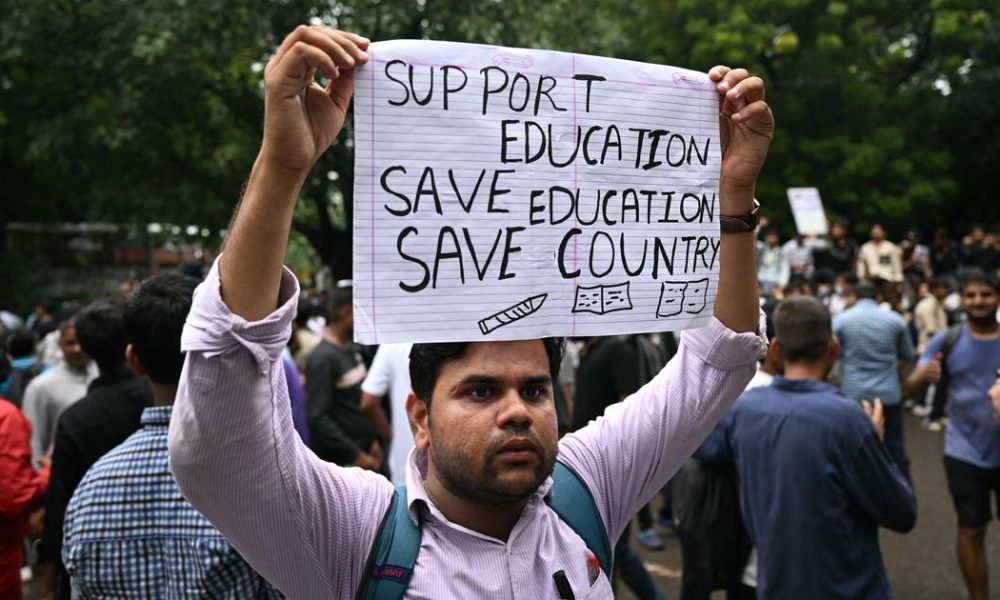
In recent years, a pressing crisis has emerged within Indian society, bringing the long-held belief that education guarantees social and economic advancement into question. The ongoing protests by Generation Z highlight this issue, yet countless families have been grappling with the repercussions for far longer. Many facets of these challenges remain under-discussed in public spheres, creating a significant gap in understanding the realities faced by today’s youth.
Traditionally, education has been viewed as a reliable pathway to prosperity in India. Families from various socio-economic backgrounds, including those with limited resources, have prioritized educational attainment, often at great personal sacrifice. The belief was that a degree would elevate their children into the stability and respect associated with the middle class. For many, education was more than just a means to an end; it represented social insurance and a comprehensive retirement plan for parents who invested their hopes and dreams into their children’s future.
However, recent developments are challenging this conventional wisdom. The increasing privatization of education, coupled with soaring coaching costs and a contracting job market, has rendered education less of an investment and more of a gamble. The assurance that a degree would lead to employment and social dignity is faltering, leaving many families uncertain about their children’s futures.
The quest for education has historically been a power dynamic in India, especially in the post-colonial era. It has served not only as a means for economic mobility but also as a psychological anchor for families navigating a landscape devoid of social safety nets. Education was synonymous with dignity, an essential tool for the economically disadvantaged to combat social stigma and humiliation.
As India stands at this crossroads, with the youth demanding accountability from educational institutions and the government, it is vital to reassess the significance of education in contemporary society. Policymakers, educators, and families must collaborate to redefine educational pathways that adapt to the current economic landscape, ensuring that the promise of education does not remain an elusive dream for future generations.
Source: scroll.in







No Comment! Be the first one.