

Exploring the Link Between Unemployment, Cynicism, and Authoritarian Leadership in India
The precarious work environment faced by Indian laborers mirrors a global shift towards what is now described as the “precariat”—a class of workers enduring constant economic instability....

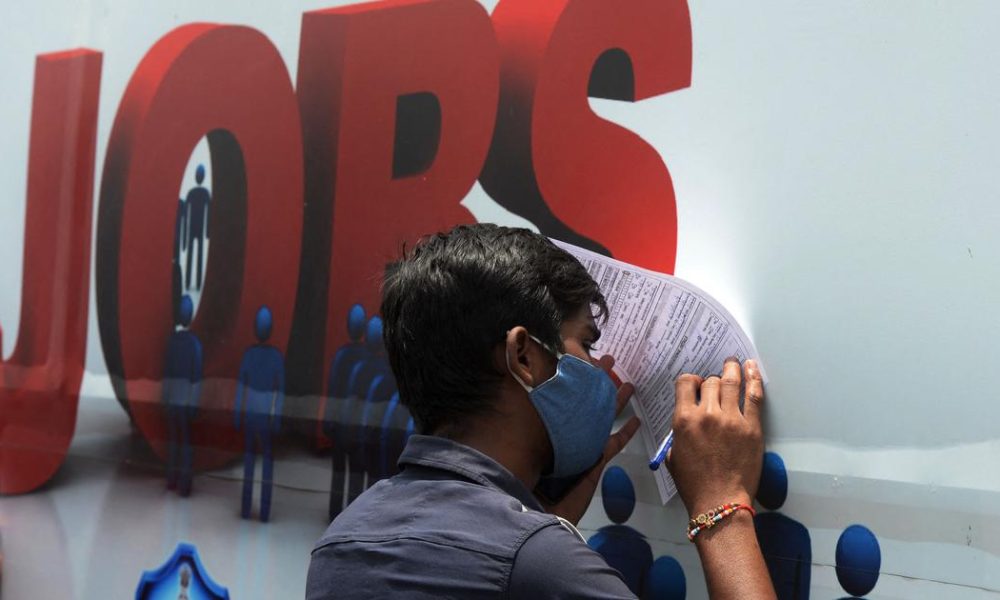
The precarious work environment faced by Indian laborers mirrors a global shift towards what is now described as the “precariat”—a class of workers enduring constant economic instability. This group, often caught in a cycle of unemployment, is marked by erratic income, persistent debt, and a lack of both meaningful employment and essential state-provided benefits. In India, this has manifested as a severe form of modern-day slavery, with workers relegated to positions of extreme vulnerability.
In the context of India, over 90% of the workforce is employed in the informal sector, where social safety nets and welfare provisions are alarmingly scarce. Historically, the social fabric supporting working life has been weakened, resulting in a dangerous decline in working conditions. This is particularly troubling when considering the shrinking avenues for unionization, which have been vital for advocating workers’ rights and improving living standards. The erosion of organized labor’s influence in India has further exacerbated this crisis, diminishing the collective power of workers to secure fair wages and better working environments.
The decline of trade unions in India is especially notable when compared to the post-World War II period in advanced European economies, where strong union movements played a critical role in reducing income disparities. While organized labor in India has the potential to operate similarly, since the mid-1970s, their power has dwindled considerably. This decline not only affects economic conditions but also contributes to a broader societal cynicism towards governance and leadership.
As the precariat grows, so too does the yearning for strong, authoritative leadership, a phenomenon observed globally. Many individuals in this demographic may find themselves disillusioned with traditional democratic processes, leading them to seek out leaders who promise stability and security, even if it comes at the cost of democratic principles. This dynamic raises important questions about the future of democracy in India and the implications of widespread unemployment on civic engagement.
In conclusion, the intersection of unemployment and a declining labor movement paints a stark picture of the challenges facing Indian workers today. The rise of the precariat not only highlights the immediate economic issues at hand but also serves as a litmus test for the health of India’s democracy and the societal desire for effective leadership. As India grapples with these pressing issues, the urgent need for reform and revitalization of labor rights is clear.
Source: scroll.in







No Comment! Be the first one.