

ASEAN Engages with Myanmar Amid Ongoing Uncertainty Surrounding Aung San Suu Kyi’s Status
The Association of Southeast Asian Nations (ASEAN) is set to convene its annual meeting in Manila, with the presence of notable international figures shaping the agenda. Among attendees are US...

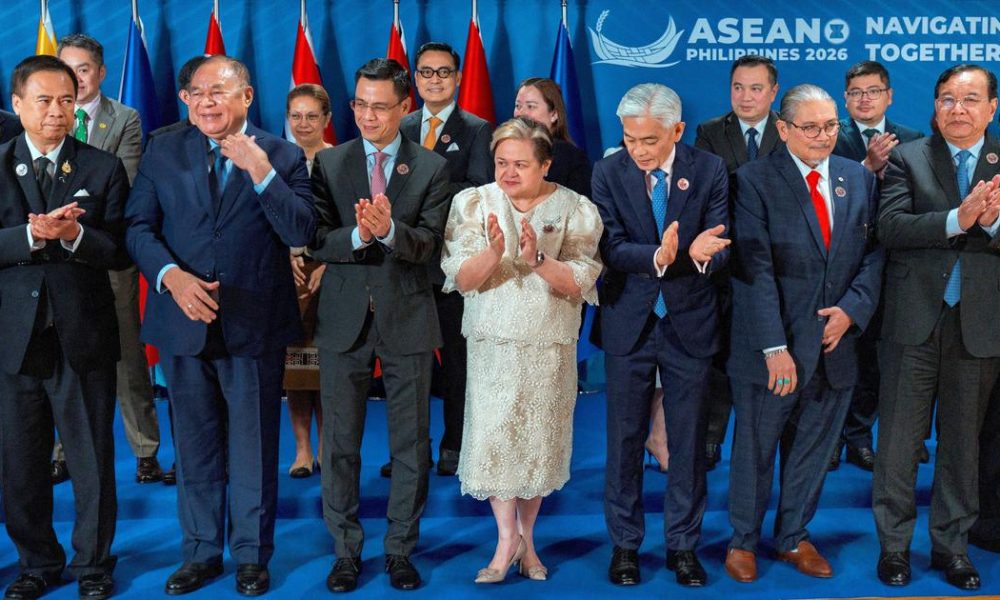
The Association of Southeast Asian Nations (ASEAN) is set to convene its annual meeting in Manila, with the presence of notable international figures shaping the agenda. Among attendees are US Secretary of State Marco Rubio, China’s Foreign Minister Wang Yi, and Russia’s Sergey Lavrov, each representing their respective countries’ strategic interests in the region.
The gathering comes at a time when Myanmar remains embroiled in a protracted civil conflict that has persisted for over five years, raising urgent questions about the country’s political stability and humanitarian conditions. The absence of Myanmar’s foreign minister from the ASEAN discussions underscores the bloc’s complicated relationship with the military-led government that has been in place since the coup in February 2021.
As ASEAN navigates its diplomatic approach, the mystery surrounding the fate of Aung San Suu Kyi, the deposed leader and Nobel laureate, continues to loom large. Reports have surfaced questioning whether she is still alive, a situation that adds another layer of complexity to ASEAN’s engagement strategy. Many in the international community, including human rights advocates, are calling for clarity and accountability regarding her wellbeing and status.
While ASEAN has faced criticism for its handling of the crisis in Myanmar, the bloc is under increasing pressure to take a proactive stance in addressing the ongoing violence and political turmoil. Recently, ASEAN foreign ministers controversially met with Myanmar’s foreign minister, Tin Maung Swe, aiming to find pathways to peace and stability. However, the efficacy of such meetings remains uncertain given the entrenched positions of the military government.
As global powers like the US and China position themselves within Southeast Asia, India’s role in the region also becomes increasingly relevant. India shares borders with Myanmar and has vested interests in regional stability, particularly concerning security and migration. The developments at the ASEAN meeting could have far-reaching implications for India’s diplomatic and strategic posture towards its eastern neighbors.
Source: scroll.in







No Comment! Be the first one.