

Exploring Emily Eden’s Fascination with Sikh Culture and Maharaja Ranjit Singh
In the late 1830s, as the British Empire expanded its reach in India, an intriguing figure emerged: Emily Eden, an artist and writer whose keen observations and vivid depictions captured the essence...

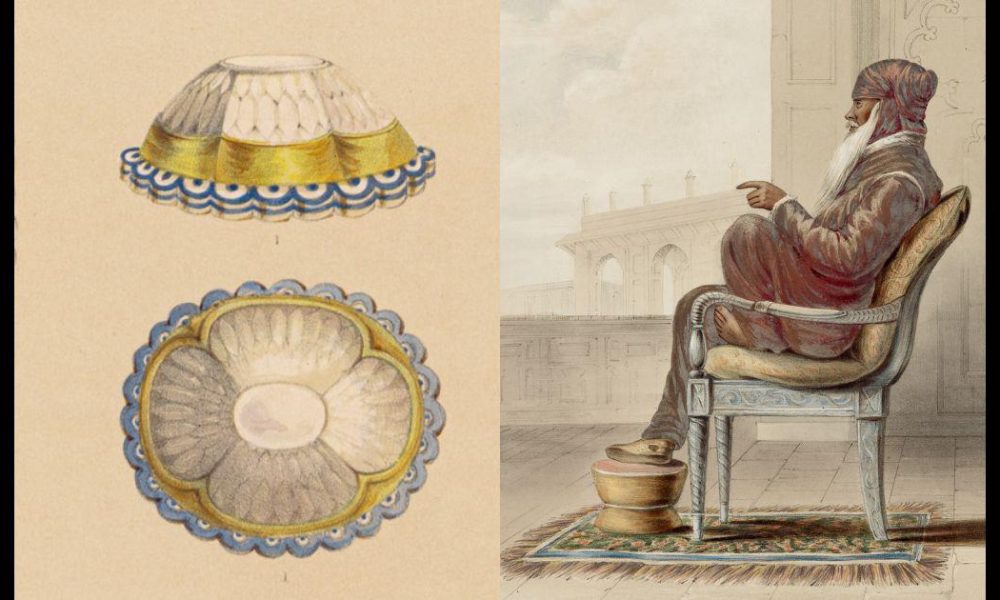
In the late 1830s, as the British Empire expanded its reach in India, an intriguing figure emerged: Emily Eden, an artist and writer whose keen observations and vivid depictions captured the essence of the Sikh culture and its prominent leaders. Accompanied by her sister Frances and their brother Lord Auckland, the newly appointed governor-general of India, Emily embarked on a journey across northern India from October 1837 to December 1838. Her experiences during this period provide a unique perspective on the interactions between British officials and the Sikh community.
Meeting Maharaja Ranjit Singh in December 1838 marked a significant moment in Emily’s travels. At the time, the British were still unfamiliar with the rich heritage of the Sikhs, both their martial prowess and religious beliefs. Luckily, the presence of interpreters allowed for meaningful conversations, and Emily’s sharp wit and inquisitive nature enabled her to engage deeply with the culture around her. Through her journal entries, she documented her experiences, shedding light on the dynamics between the Sikhs and their British counterparts.
Emily Eden’s writings, which consist of letters and sketches, offer a narrative that contrasts sharply with the more formal accounts penned by her male contemporaries. While historians frequently reference these traditional texts, Emily’s unique viewpoint as a woman traveling in India provides valuable insights into the social interactions of the time. Her accounts of the Sikhs — from the nobility to the common folk — reveal a nuanced understanding of their customs and lifestyle, often overlooked by historians focused on male perspectives.
One of the most compelling aspects of her journey was her engagement with Ranjit Singh, the legendary Sikh leader known for his unifying efforts among the fragmented states of Punjab. Emily’s admiration for his leadership and the warmth of the Sikh people she encountered is palpable in her writings. She described their hospitality and resilience, detailing not only her observations but also the complex relationship that was developing between the British and the Sikhs, foreshadowing the eventual annexation of Punjab.
As an artist, Emily Eden also illustrated her experiences, capturing the vibrancy of Sikh culture through her paintings. Despite the passage of time, her work remains a significant contribution to the understanding of this historical period. The artistic expressions coupled with her personal reflections allow modern audiences to connect with a bygone era, offering a glimpse into the socio-political landscape of northern India in the 19th century.
Source: scroll.in







No Comment! Be the first one.