

Modi’s Fast-Track Courts for Paper Leak Cases: A Closer Look at Progress and Skepticism
In a recent Instagram reel, Prime Minister Narendra Modi addressed the alarming issue of exam paper leaks, describing it as a “very painful” problem for countless students across the...

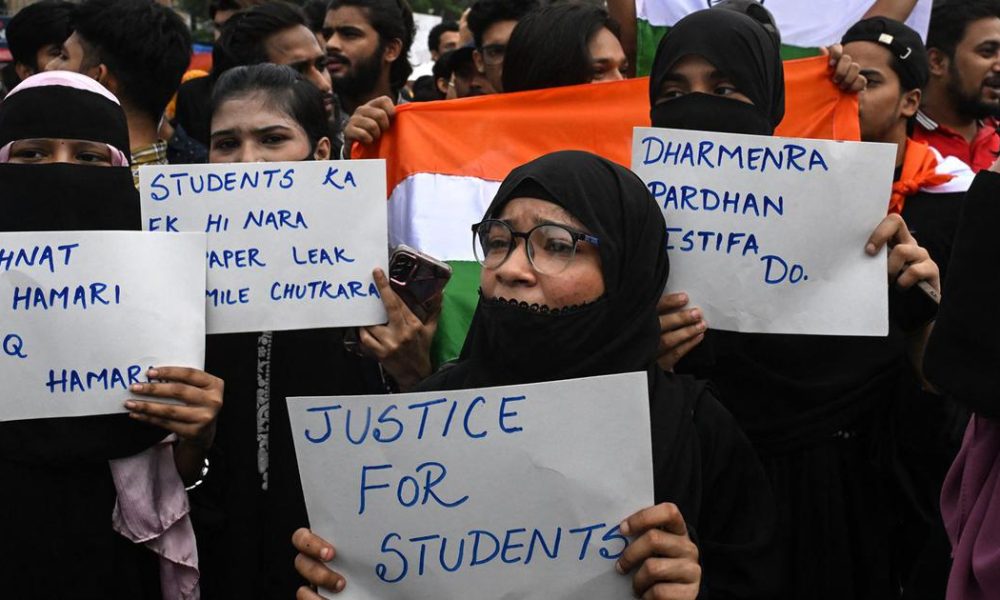
In a recent Instagram reel, Prime Minister Narendra Modi addressed the alarming issue of exam paper leaks, describing it as a “very painful” problem for countless students across the nation. His remarks came late at night on July 23, where he elaborated on the government’s proactive steps to combat this crisis, including the incarceration of those found guilty and the swift re-examination processes aimed at ensuring no student loses an academic year. Modi also announced plans to establish fast-track courts dedicated to adjudicating cases of paper leaks, promising more immediate and severe justice for those involved in these offenses.
Despite the government’s assurances, nationwide protests against paper leaks continue unabated. Many students and activists remain unconvinced by promises of rapid judicial action, particularly in light of the recent developments concerning the highly publicized 2024 NEET paper leak case. Just hours before Modi’s announcement, the Central Bureau of Investigation (CBI) had exonerated a significant suspect, Sanjeev Mukhiya, citing a lack of evidence against him. This move has sparked skepticism among the populace, leading to criticism from various political factions.
Political leaders have been quick to highlight the contradictions in the government’s stance. They argue that while the Prime Minister emphasizes the need for swift justice, the CBI’s actions suggest a lack of seriousness in tackling the very issue that has led to widespread unrest. The irony is palpable; as the Prime Minister vows to expedite legal proceedings, cases like that of Mukhiya raise doubts about the effectiveness of these new fast-track courts.
Historically, the issue of exam paper leaks is not new to India, affecting numerous competitive examinations across different states. The implications of these leaks are severe, often leading to allegations of corruption and unfair practices, which undermine the integrity of the educational system. Many students, already under immense pressure to perform, find themselves caught in a bureaucratic quagmire that jeopardizes their future.
As Modi’s government pledges to tighten regulations and implement fast-track trials, the real test will lie in the execution of these promises. The public will be watching closely to see if the courts can indeed deliver justice swiftly and if the government can restore faith in a system that many believe has failed them. Until then, protests are likely to persist, fueled by frustration and a desire for accountability in a system that affects the lives of millions.
Source: scroll.in






No Comment! Be the first one.