

Youth Protests in India: The Streets Emerge as a New Political Arena
In every democratic setup, politics manifests in two key arenas: the formal spaces that encompass legislatures, courts, and elections, and the informal venues such as streets, university campuses,...

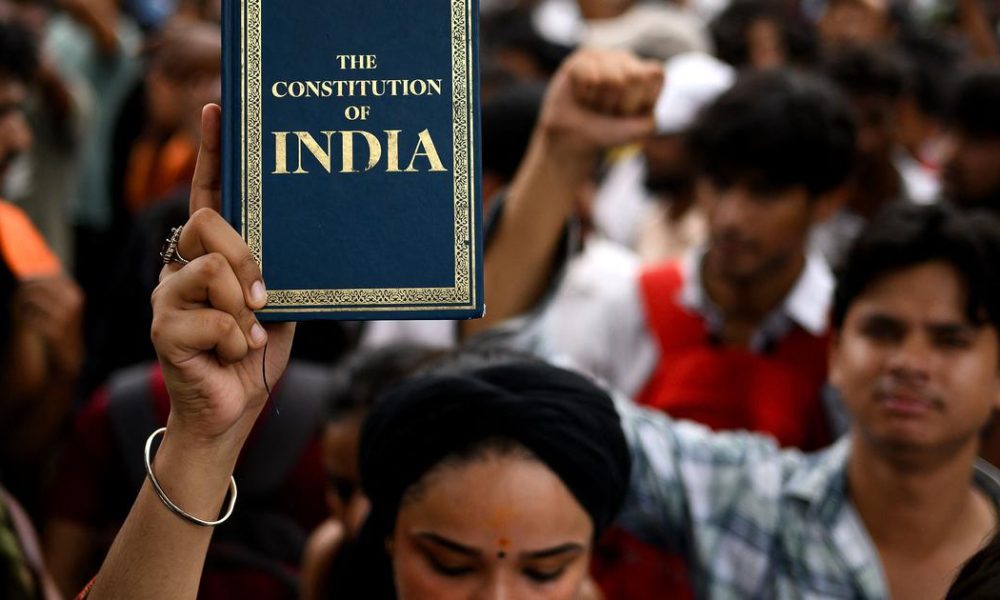
In every democratic setup, politics manifests in two key arenas: the formal spaces that encompass legislatures, courts, and elections, and the informal venues such as streets, university campuses, and citizens’ movements. The health and vibrancy of a democracy hinge on the dynamic between these two realms. In an ideal scenario, the parliamentary system should reflect public concerns and transform them into discussions, legislative actions, and mechanisms for accountability. Meanwhile, grassroots movements serve as a vital force, nudging complacent institutions into action. However, the current state of democracy in India indicates a concerning rift between these two vital components.
Yogendra Yadav, a prominent social scientist and activist, recently emphasized the need for the Opposition to evolve beyond viewing elections as the sole measure of political engagement. He advocates for a revival of democratic resistance, a concept deeply ingrained in India’s political tradition. The struggle for independence, for instance, was driven by mass movements rather than solely legislative endeavors. Similarly, the protests against the Emergency period highlighted the importance of collective action outside formal political structures. Many of India’s landmark democratic achievements resulted from citizens rising up to demand accountability from their governing institutions.
This ongoing youth-led activism in India reflects a broader discontent with the status quo, as young people increasingly take to the streets to voice their grievances. Recent protests have seen prominent leaders, such as Rahul Gandhi, joining forces with supporters to advocate for various social and political issues. The sight of these leaders engaging directly with the public underscores a growing recognition that the traditional avenues of politics may no longer suffice in addressing the urgent needs of the populace.
The challenge before the Opposition now is whether it can harness this wave of grassroots activism to reinvigorate its political strategies. The situation demands a careful balance between leveraging formal political mechanisms and embracing the power of public mobilization. As the youth continue to rally for change, it becomes imperative for political leaders to listen and respond effectively, ensuring that their voices are not just heard but also integrated into the legislative process.
In conclusion, the streets of India serve as a contemporary stage for political expression, reflecting the evolving nature of democracy in the nation. As citizens assert their rights and demand accountability, the relationship between formal institutions and public movements must be re-examined to foster a robust democratic environment.
Source: scroll.in







No Comment! Be the first one.