

Exploring ‘Open Intelligence’: The Intersection of Art and Artificial Intelligence
In his provocative new book, Open Intelligence: Education Between Art and Artificial, author Saikat Majumdar delves into the intricate relationship between art and artificial intelligence (AI). He...

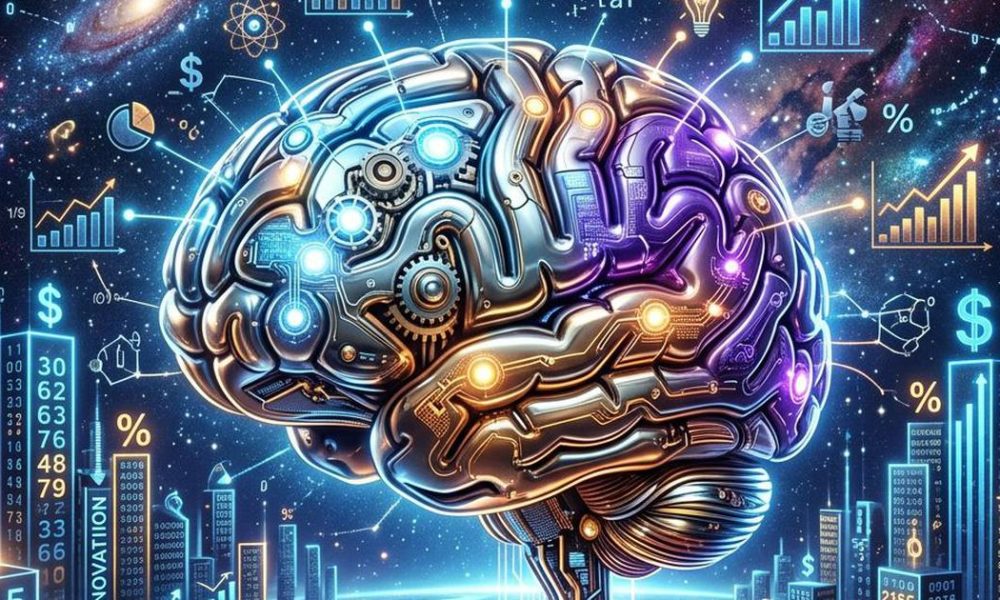
In his provocative new book, Open Intelligence: Education Between Art and Artificial, author Saikat Majumdar delves into the intricate relationship between art and artificial intelligence (AI). He presents a compelling thesis that challenges traditional perspectives, arguing that art and technology are not just coexisting but are fundamentally intertwined. This perspective raises pertinent questions about the future of creative education, particularly in the context of AI’s burgeoning capabilities.
Majumdar asserts that the principles underlying the creative arts share similarities with scientific methodologies. He posits that certain art forms are structured in ways that are teachable, particularly those that exhibit clear scientific foundations. This notion suggests that AI, with its ability to analyze and learn from data patterns, can effectively absorb these teachable elements of creativity. However, this leads to an unsettling dilemma: if AI can master the technical aspects of creative arts, what value does human instruction hold?
The author probes this paradox further by examining the distinctions between human artists and their AI counterparts. He articulates a critical point: while AI can learn the mechanics of art, it lacks the intrinsic human experiences and emotions that inform true creativity. The human artist draws from a well of personal narratives and emotional depth, which enables the creation of art that resonates on a more profound level. This unique aspect of human creativity raises questions about the identity of artists in a world increasingly influenced by technological advancements.
Majumdar’s exploration does not shy away from addressing the implications of AI in artistic fields, especially in India, where cultural expressions are diverse and deeply rooted in tradition. The impact of AI on these artistic practices could redefine how creativity is perceived and cultivated. Educational institutions may need to rethink their curriculums to accommodate this evolving landscape, focusing on nurturing the emotional and experiential facets of art that AI cannot replicate.
As we stand at the crossroads of artistic expression and technology, Majumdar’s insights prompt a re-evaluation of what it means to teach and learn in the arts. His work serves as a call to action for educators, artists, and technologists alike to consider the future of creativity in an age where machines are not only tools but also potential collaborators in the artistic process.
Source: scroll.in




No Comment! Be the first one.