

Ancient Greek Food Economy Revealed: Insights from Goat Tooth Analysis
The agricultural economy served as the foundation of wealth in ancient Greece, highlighting the intricate relationship between food and social interactions. From intimate gatherings at wine-drinking...

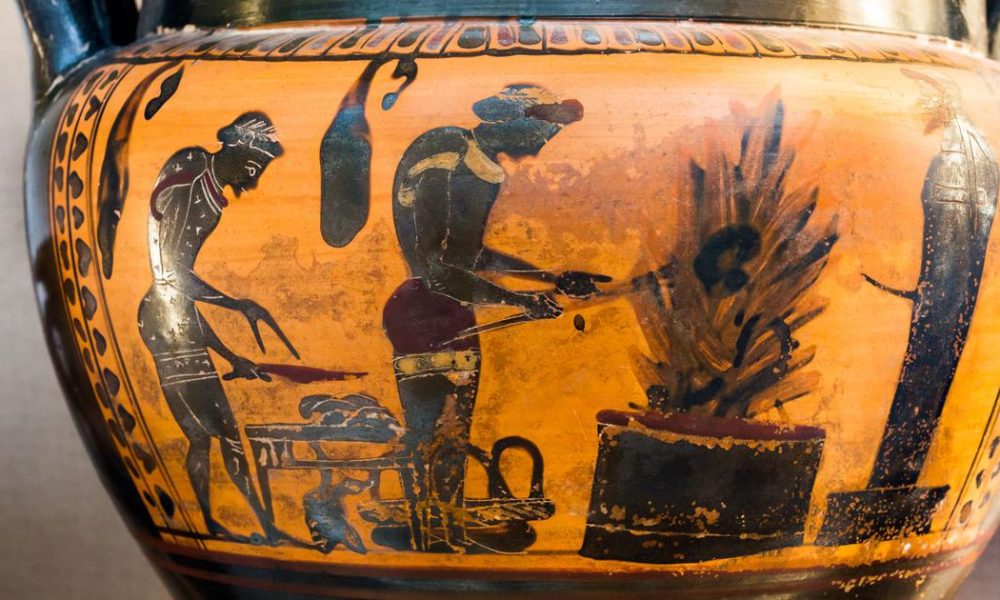
The agricultural economy served as the foundation of wealth in ancient Greece, highlighting the intricate relationship between food and social interactions. From intimate gatherings at wine-drinking symposia to grand sacrificial feasts that united entire communities, food was central to both daily life and cultural practices. A notable example is found in Homer’s epic, The Odyssey, where Odysseus’s son takes part in a grand barbecue featuring a staggering 100 cattle, showcasing the significance of communal dining in ancient society.
Historically, scholars have acknowledged the considerable economic, political, and social ramifications of food in ancient Greece. However, one critical aspect remains elusive: the methods by which animals were raised within this intricate food system. For nearly a century, academics have engaged in a vigorous debate over the organization of ancient Greek animal husbandry practices. On one side of the spectrum lies the theory of extensive, semi-nomadic herding, where large groups of livestock migrated seasonally across varying landscapes in search of grazing grounds. Conversely, the opposing viewpoint paints a picture of smaller, integrated herds that played a crucial role in everyday farm life, deriving sustenance from local fields and agricultural by-products.
This ongoing discourse has prompted a heightened interest in the specifics of animal husbandry during ancient times. Recent research, involving a multidisciplinary team of archaeologists and scientists, has shed light on the complexities of this question. By analyzing a significant collection of animal remains, the researchers aim to unravel the practices surrounding the rearing of livestock in ancient Greece. The findings are expected to provide insights into whether these animals were part of a more mobile pastoral lifestyle or were closely integrated into a system of mixed farming that combined both crops and livestock.
The implications of this research extend beyond academic curiosity; they challenge preconceived notions about the economic models of ancient societies and their relationship with agriculture. Understanding how animals were managed and integrated into farming systems can illuminate the broader narrative of human development and societal organization in ancient Greece. Furthermore, these insights may resonate with contemporary discussions on sustainable agricultural practices, drawing parallels between ancient methods and modern needs.
As the study progresses, it promises to enrich our understanding of ancient Greek life, revealing a food economy that was not only vital for sustenance but also integral to the social fabric of the civilization. This research not only highlights the importance of food in ancient cultures but also invites us to reflect on our own agricultural practices and their historical roots.
Source: scroll.in







No Comment! Be the first one.