

Sri Lanka’s Maritime Ambitions: Why Strategic Location Fails to Translate into Growth
Sri Lanka, located at a critical junction of the world’s busiest shipping routes just north of the equator, holds a geographical advantage that many countries would envy. Despite this prime...

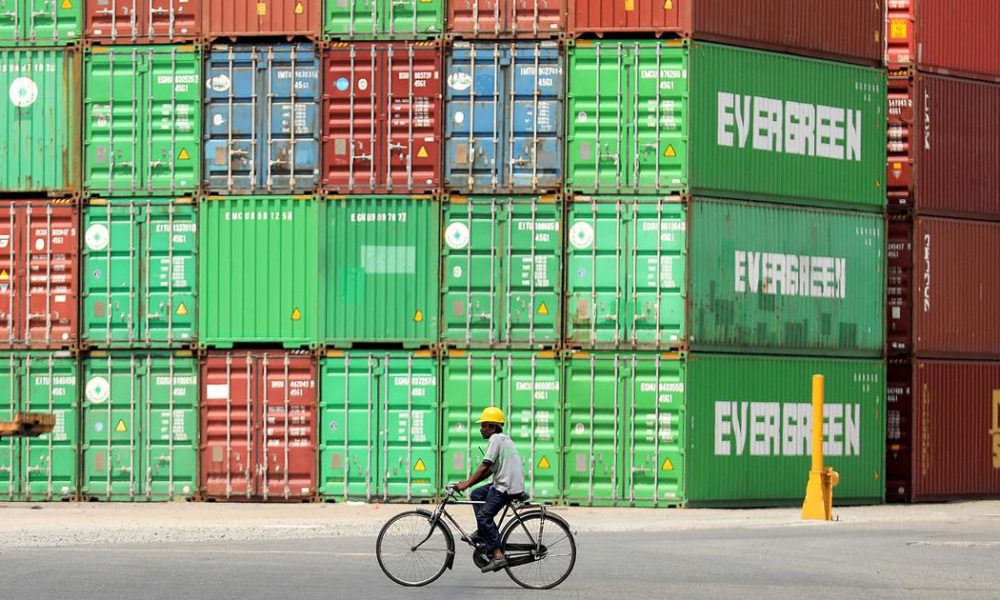
Sri Lanka, located at a critical junction of the world’s busiest shipping routes just north of the equator, holds a geographical advantage that many countries would envy. Despite this prime positioning, the island nation has struggled to evolve beyond its current status as a transshipment hub. Over 80% of the cargo passing through Sri Lankan ports is merely transferred onward, with most destined for Indian ports. Key players in this transshipment process include Sri Lanka’s state-owned Ports Authority, as well as terminals operated by the China Merchants-backed Colombo International Container Terminals and the Adani Group-linked Colombo West International Terminal.
Several initiatives have been undertaken to redefine Sri Lanka’s maritime narrative, including a trilateral agreement formed in 2019 among India, Japan, and Sri Lanka aimed at enhancing the East Container Terminal in Colombo. However, this agreement was scrapped in 2021 under pressure from local trade unions, highlighting the challenges in executing ambitious maritime plans. Consequently, despite its extensive facilities, Sri Lanka continues to fall short of becoming a comprehensive logistics hub, a place where goods can be stored, processed, and redistributed efficiently.
The repeated delays in project timelines have significantly hindered progress. The East Container Terminal project, in particular, epitomizes the bureaucratic struggles that have plagued Sri Lanka’s ambitions in the maritime sector. In stark contrast, other regional ports such as India’s newly operational Vizhinjam International Seaport, Dubai’s Jebel Ali, and Singapore’s famed port facilities are making significant strides to enhance their competitiveness. These rivals are actively positioning themselves as leaders in global maritime logistics, leaving Sri Lanka to grapple with stalled initiatives.
At a recent business roundtable in Colombo, the disparity in maritime ambitions was evident, as local stakeholders engaged in discussions about overcoming infrastructural and operational challenges. Sri Lanka’s maritime strategy needs a makeover—one that is adaptable and resilient to the socio-political dynamics that often stymie progress. The country must aim for a cohesive approach that not only attracts investment but also fosters a collaborative environment among stakeholders to realize its potential.
As the maritime landscape evolves, Sri Lanka’s ability to transform its strategic location into a thriving logistics hub will depend on overcoming internal challenges and effectively competing with neighboring ports. The question remains: will Sri Lanka seize this opportunity to redefine its maritime identity and ensure its place on the global shipping map?
Source: scroll.in







No Comment! Be the first one.