

Supreme Court Delays Bengaluru Municipal Elections Amid Voter Roll Revision
The Supreme Court of India has granted a postponement of municipal elections for the Greater Bengaluru Authority and five municipal corporations in Bengaluru, now scheduled for December. This...

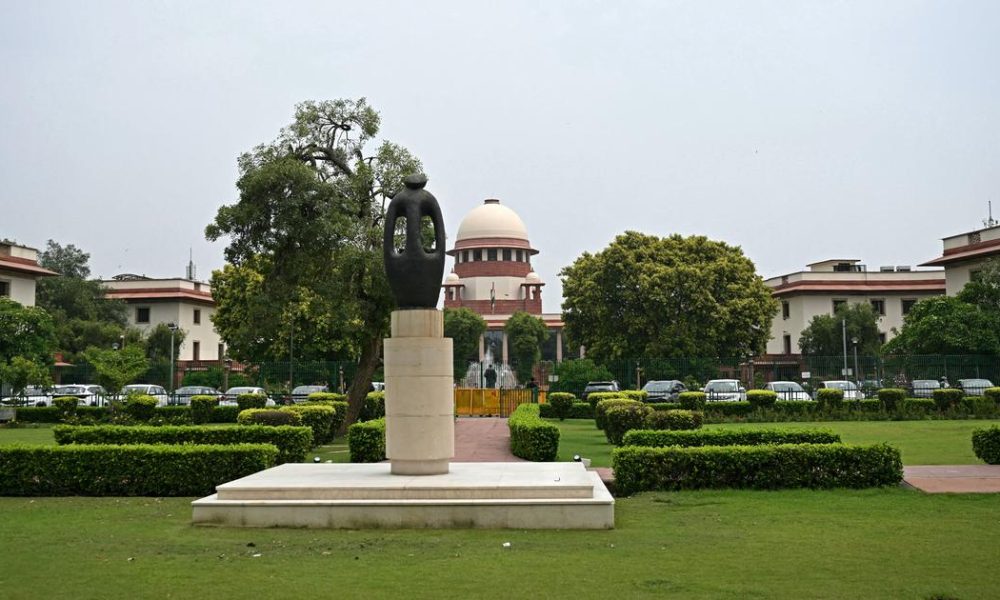
The Supreme Court of India has granted a postponement of municipal elections for the Greater Bengaluru Authority and five municipal corporations in Bengaluru, now scheduled for December. This decision follows the ongoing special intensive revision of voter rolls across Karnataka, which the court deemed necessary for ensuring a fair electoral process.
Initially, the court had mandated that these elections take place by June 30, before later extending the deadline to August 31. The court has expressed its dissatisfaction over the delays in conducting these civic polls, emphasizing the importance of timely elections for local governance. The previous elections for the Greater Bengaluru Authority were held in 2015, with the tenure of elected officials concluding in 2020. As a result, the urgency for these elections has only increased.
The Karnataka government, along with the State Election Commission and the Greater Bengaluru Authority, requested more time to facilitate the electoral process. Senior advocate Kapil Sibal, representing the Greater Bengaluru Authority, articulated concerns that conducting elections before the completion of the voter roll revision could exclude significant numbers of voters from participating. This situation could lead to discrepancies in the electoral process, undermining the integrity of the elections.
The government cited logistical constraints as a primary reason for the delay, asserting that the personnel necessary for organizing elections are currently engaged in the extensive house-to-house revision of voter rolls. They argued that trying to conduct polls concurrently could result in significant organizational challenges and electoral anomalies.
It is crucial for the democratic process that all eligible voters are accurately represented in the electoral rolls. Delaying the elections aims to ensure that no voter is inadvertently disenfranchised due to incomplete or outdated rolls. The Supreme Court’s decision underscores the necessity of a reliable electoral framework, particularly in a rapidly growing metropolis like Bengaluru, which has been grappling with various administrative and infrastructural challenges.
Source: scroll.in







No Comment! Be the first one.