

Gauhati High Court Reverses Tribunal Decision, Assam Woman Deported Amid Controversy
In a significant legal development, the Gauhati High Court has referred the case of Mumtaz Begum, a 44-year-old Muslim woman of Bengali descent, back to the foreigners tribunal in Assam’s...

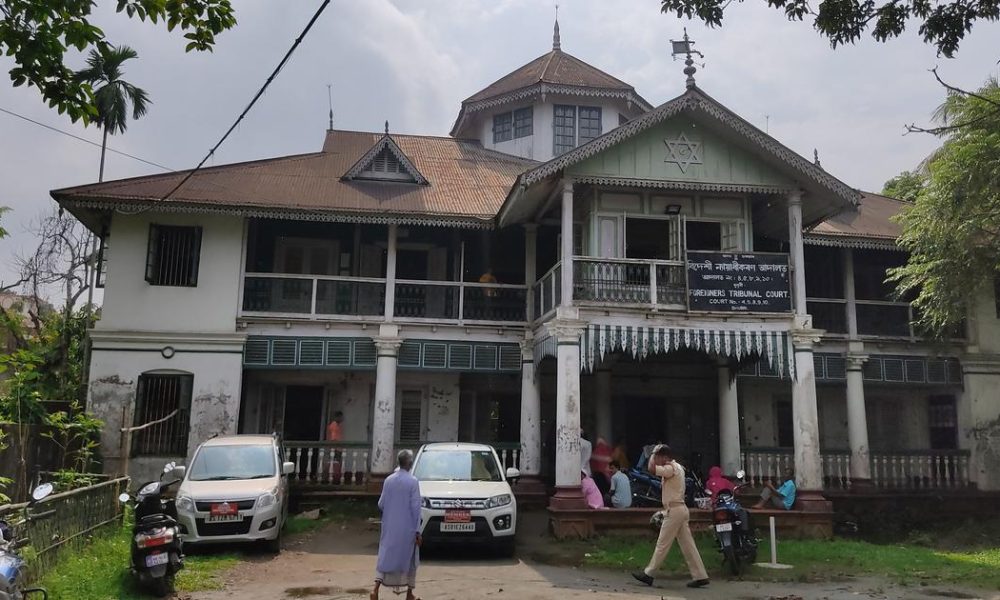
In a significant legal development, the Gauhati High Court has referred the case of Mumtaz Begum, a 44-year-old Muslim woman of Bengali descent, back to the foreigners tribunal in Assam’s Nagaon district. This referral comes after the tribunal previously declared Begum a foreigner in 2019, citing her inability to prove her relationship to her father. The High Court’s intervention raises questions about the fairness of the tribunal’s process and the treatment of individuals accused of being illegal immigrants in Assam.
The foreigners tribunal system in Assam operates uniquely, distinguishing it from other legal frameworks in India. These quasi-judicial bodies are tasked with determining the nationality status of individuals based on documentary evidence. In Begum’s case, the High Court found that the Nagaon tribunal had not adequately considered all the evidence presented by her, leading to the decision to set aside the earlier ruling.
Following the High Court’s directive, Begum appeared before the Nagaon tribunal on May 30, where her lawyer submitted a petition seeking relief. However, the situation took a drastic turn when tribunal officials summoned the police and ordered her arrest without issuing any formal orders, according to her lawyer’s claims. This sudden action raised alarm bells about due process and the rights of individuals being arbitrarily detained.
After her arrest, Begum was taken to the Juria police station and subsequently transferred to the Nagaon superintendent of police’s office. Reports indicate that she was later moved to the Matia detention centre, known as India’s largest facility for detaining alleged illegal immigrants. However, the unfolding events took a grave turn when Begum’s family learned that she had been deported to Bangladesh, despite her legal challenges and the ongoing proceedings.
The deportation of Mumtaz Begum has sparked outrage and concern among human rights advocates and local communities, highlighting the contentious nature of Assam’s handling of citizenship and immigration issues. This incident underscores the ongoing struggles faced by many individuals of Bengali origin in Assam, as they grapple with legal uncertainties surrounding their nationality status. As the family seeks justice through a habeas corpus petition, the case continues to shed light on the complexities of Assam’s citizenship landscape and the repercussions for those caught in its web.
Source: scroll.in







No Comment! Be the first one.