

Ancient Rock Markings in Delhi Offer Insights into Pre-Ashokan History
In a significant archaeological discovery, small cup-shaped depressions and intricate lines found on a rock outcrop in New Delhi are shedding light on India’s ancient history, predating the era...

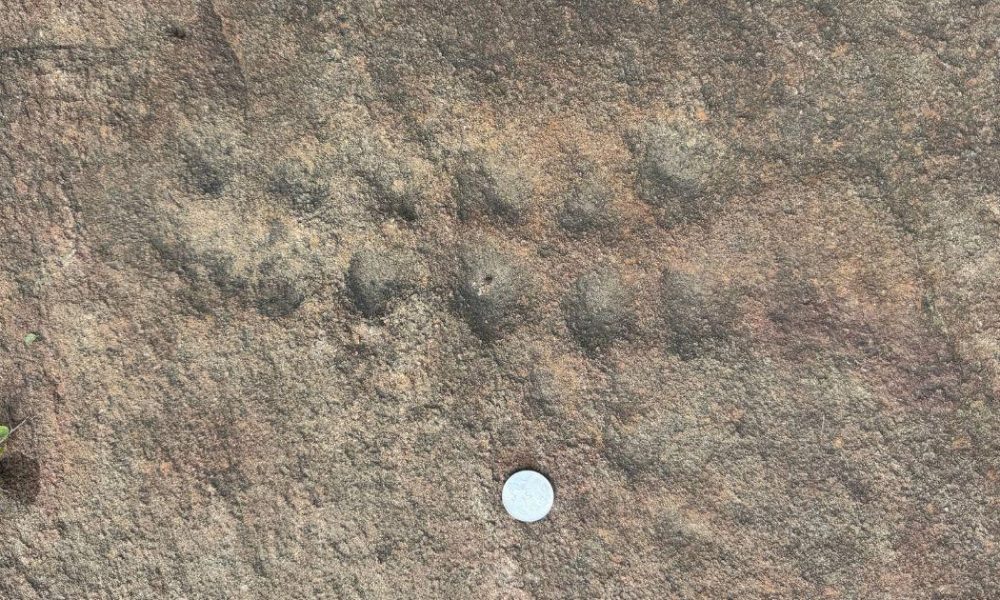
In a significant archaeological discovery, small cup-shaped depressions and intricate lines found on a rock outcrop in New Delhi are shedding light on India’s ancient history, predating the era of Emperor Ashoka. Located in the Central Ridge forest area, near Sardar Patel Marg, these markings have sparked interest among historians and enthusiasts alike.
The rock, which had long been a familiar spot for naturalist Pradip Krishen, went unnoticed until a recent visit with environmental activist Chetan Agrawal. Krishen, who often walked his dogs in the vicinity, had observed the area’s flora but had missed this remarkable feature. Agrawal’s expertise in identifying similar cupules, previously documented in the Aravalli hills of Haryana, brought the significance of this site into the limelight.
The cupules, characterized by their round, bowl-like depressions, are not just random markings; they are believed to be remnants of a long-lost cultural practice that could date back thousands of years. Their presence in such proximity to a bustling metropolis like Delhi raises questions about the region’s historical landscape and the civilizations that may have thrived there before recorded history.
Experts indicate that the discovery of these markings is crucial for understanding the prehistoric societies in India. The patterns etched into the rock suggest a form of artistic expression or perhaps a ritualistic significance attributed to the site. As archaeologists and historians further investigate, there is hope that these markings may unlock more information about the lifestyles, beliefs, and practices of early inhabitants.
Preserving such sites is vital not only for historical understanding but also for cultural heritage. The growing interest in these markings has prompted calls for protective measures to ensure they are not damaged by urban expansion or neglect. As this discovery gains public attention, it highlights the importance of valuing and safeguarding India’s rich archaeological legacy.
Source: scroll.in







No Comment! Be the first one.