

West Bengal Voter Roll Revision: Muslims Comprise 70% of Adjudicated Voters
A recent analysis by the Kolkata-based Sabar Institute has revealed that Muslims make up approximately 70% of the over 27 lakh voters currently under adjudication during the special intensive...

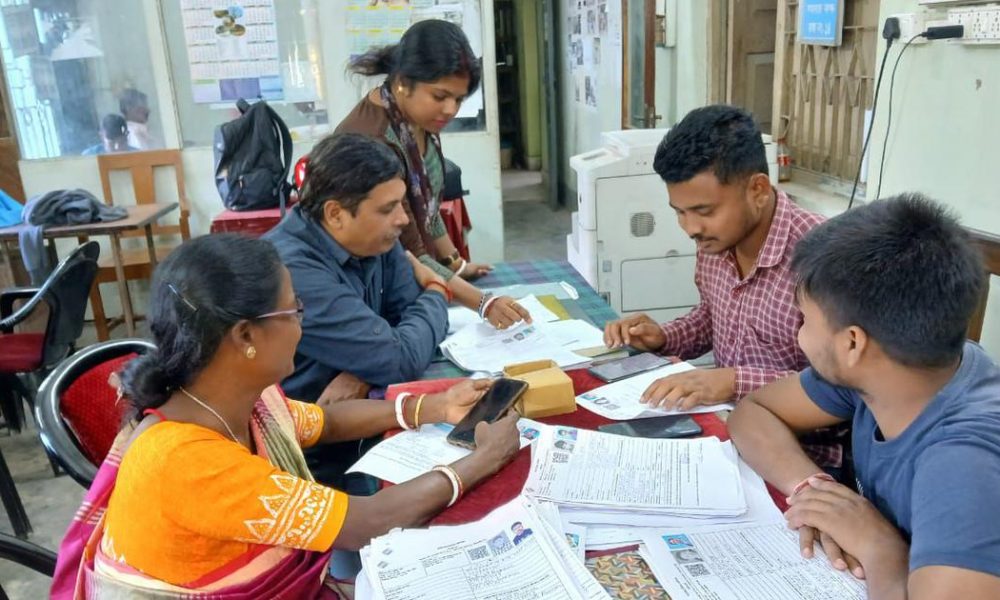
A recent analysis by the Kolkata-based Sabar Institute has revealed that Muslims make up approximately 70% of the over 27 lakh voters currently under adjudication during the special intensive revision of electoral rolls in West Bengal. This significant statistic highlights the complexities involved in the voter registration process as the state prepares for its upcoming Assembly elections.
According to the findings shared via social media, women constitute 51% of the voters in this adjudication category. The majority of these voters were flagged for various logical discrepancies identified during the revision process. Such discrepancies may include mismatches in the names of parents, minimal age gaps between parents and children, and instances where families have more than six children.
The electoral roll revision has been a contentious issue in West Bengal, with initial reports indicating the exclusion of over 61 lakh voters from the final rolls published in February. This ongoing process aims to address around 60 lakh cases that have been labeled as “doubtful and pending.” As of April 6, nearly 91 lakh voters, representing approximately 11.9% of the electorate prior to the revision, had been removed from the official voter lists.
In light of these changes, approximately 34 lakh appeals are currently under review by appellate tribunals, with 27 lakh of these appeals originating from individuals who found themselves excluded from the voter list. The tribunals, established to facilitate this special revision process, have permitted the reinstatement of 1,607 names back onto the electoral rolls, but many remain concerned about the implications of such a high volume of adjudicated cases.
The scrutiny of voter lists in West Bengal is not just a procedural matter; it also reflects broader societal dynamics and the political landscape ahead of the elections. The disproportionate number of Muslims in the adjudicated category raises questions about the fairness and transparency of the electoral process. As West Bengal gears up for the Assembly elections, the focus on ensuring that all eligible voters have a fair chance to participate in the democratic process becomes increasingly critical.
Source: scroll.in






No Comment! Be the first one.