

The 13th Dalai Lama’s Historic Flight to India: A Prelude to Modern Tibetan Struggles
In February 1910, a significant chapter in Tibetan history unfolded when Thubten Gyatso, the 13th Dalai Lama, made a harrowing escape from Lhasa. Known as the ‘Tibetan Pope’, the...

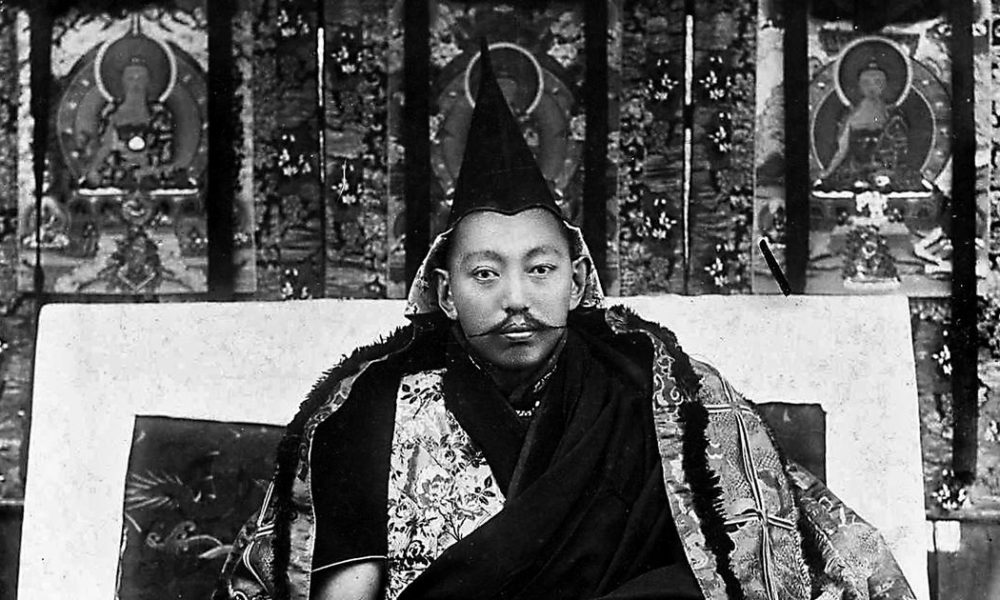
In February 1910, a significant chapter in Tibetan history unfolded when Thubten Gyatso, the 13th Dalai Lama, made a harrowing escape from Lhasa. Known as the ‘Tibetan Pope’, the spiritual leader was forced to flee from Chinese troops who were hot on his trail, prompting a dramatic flight that would see him traverse the treacherous terrain to the borders of Sikkim.
As the Qing Dynasty crumbled, the geopolitical landscape of the region became increasingly complex with both British and Russian empires vying for dominance over Tibet. This environment of turmoil and uncertainty placed the Dalai Lama in a precarious position, illustrating the tensions of a time when religious and political boundaries were deeply intertwined. The Associated Press reported that the Dalai Lama undertook his journey with urgency, traveling day and night to evade his pursuers.
During his flight, the Dalai Lama encountered a significant moment at a river crossing where Chinese forces almost caught up with him and his entourage. It was the bravery of his followers that allowed him to continue his journey, as they managed to fend off the pursuers long enough for the Dalai Lama to cross into British-occupied Sikkim. Once safely across, he made his way to Darjeeling, where he formally sought asylum from British authorities.
This escape was layered with irony, as just three months prior, he had returned to Lhasa after a six-year period of exile. His initial departure from Tibet was prompted by the British invasion of 1904, led by Colonel Francis Younghusband, which forced him to flee to Mongolia. During his time in Urga, now known as Ulaanbaatar, he sought the assistance of Tsar Nicholas II of Russia through the influence of the Buryat monk Agvan Dorzhiev, hoping to bolster his position against Chinese encroachment.
The flight of the 13th Dalai Lama is not merely a historical anecdote but a significant event that set the stage for future Tibetan struggles against Chinese rule. His escape highlights the fraught relationship between Tibetan autonomy and external powers, a narrative that continues to resonate in contemporary discussions about Tibet’s political status and the plight of its people. The legacy of his journey remains a poignant reminder of the enduring quest for peace and self-determination in Tibet.
Source: scroll.in






No Comment! Be the first one.