

Urban Development in Western Ghats Influences Frog Populations, New Research Reveals
The ongoing phenomenon of urbanization in India is significantly reshaping ecosystems, particularly in biodiversity-rich areas like the Western Ghats. A recent study conducted in Udupi, a Tier-2 city...

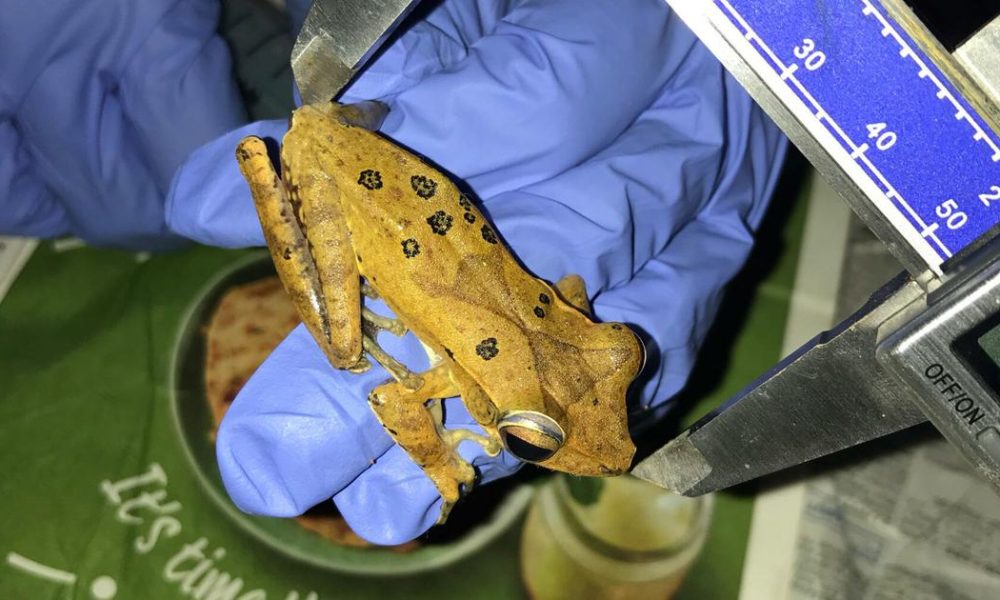
The ongoing phenomenon of urbanization in India is significantly reshaping ecosystems, particularly in biodiversity-rich areas like the Western Ghats. A recent study conducted in Udupi, a Tier-2 city nestled at the foothills of this mountain range, indicates that urban development may not necessarily result in the outright extinction of frog species. Instead, it appears to be transforming the composition of frog communities.
Published in the journal Urban Ecosystems, the research presents intriguing findings about how urbanization selectively influences which amphibian species thrive in metropolitan environments. The authors reveal that certain traits—such as body size, reproductive strategy, and habitat preference—play crucial roles in determining a species’ survival in urban settings. Frogs that possess specialized characteristics, including those that dwell in trees (arboreal frogs) or in the ground (fossorial frogs), and species that develop directly into frogs from eggs (bypassing the tadpole stage), are primarily found in less urbanized areas situated further from city centers. Conversely, species that exhibit more generalized traits have shown a remarkable ability to adapt to urban surroundings.
Aravind NA, a Senior Fellow at the Ashoka Trust for Research in Ecology and the Environment (ATREE) and supervising author of the study, emphasizes that urbanization functions as a ‘trait filter’ rather than merely acting as a ‘diversity filter.’ Traditional assessments of biodiversity often focus on species counts alone, which can lead to misleading conclusions regarding the impact of urbanization. In contrast, this trait-based analysis offers a deeper understanding of how urban landscapes can reshape the ecological fabric of amphibian communities.
This research is particularly significant considering the Western Ghats’ status as a UNESCO World Heritage site and one of the world’s eight “hottest hotspots” of biological diversity. Home to over 250 amphibian species, the region is under increasing pressure from urban expansion and land-use changes. The findings of this study highlight the importance of adopting new methodologies that go beyond species counts, allowing for a more nuanced appreciation of biodiversity in urban settings. As urban areas continue to grow, understanding the adaptive capacities of various species will be critical for conservation efforts.
In summary, while urbanization poses challenges for wildlife, particularly in biodiverse regions like the Western Ghats, this research suggests that certain frog communities can adapt and thrive amidst these changes. The study underscores the need for continued research and proactive conservation strategies that take into account the complex interactions between urban development and ecological resilience.
Source: scroll.in







No Comment! Be the first one.