

Indians Leading the Charge in Ecosystem Restoration: A Deep Dive into Grassroots Conservation Efforts
In a world grappling with environmental degradation, a new wave of Indian citizens is stepping up to restore and rejuvenate ecosystems across the nation. These grassroots efforts, often spearheaded...

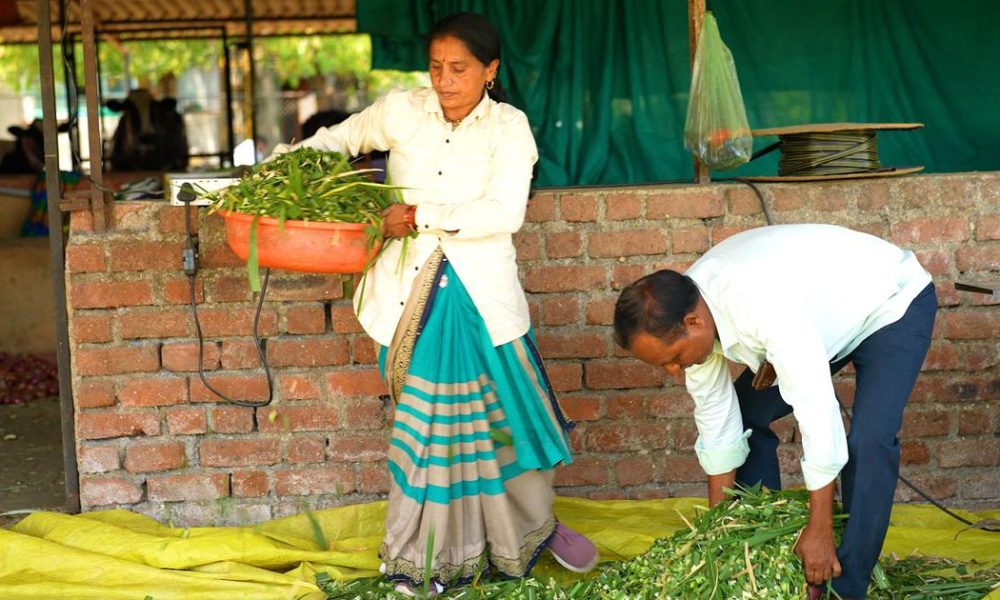
In a world grappling with environmental degradation, a new wave of Indian citizens is stepping up to restore and rejuvenate ecosystems across the nation. These grassroots efforts, often spearheaded by local communities, are not only crucial for biodiversity but also for the well-being of future generations.
Across various regions in India, individuals and organizations are taking it upon themselves to address the pressing issues of deforestation, water scarcity, and habitat loss. From rejuvenating rivers and planting trees to restoring wetlands and creating wildlife corridors, these initiatives emphasize the importance of community engagement in environmental conservation. Many of these projects have gained momentum in recent years, fueled by a growing awareness of climate change and the urgent need for sustainable practices.
One notable initiative includes the efforts of local activists who have transformed barren lands into lush green spaces in several states. They often collaborate with schools, NGOs, and government agencies to conduct workshops and awareness campaigns, encouraging others to participate in planting drives and conservation projects. These community-driven efforts are pivotal in not only restoring ecosystems but also in instilling a sense of responsibility and connection with nature among the younger generations.
Moreover, many of these ecosystem restoration projects are grounded in indigenous knowledge and practices that have been passed down through generations. By incorporating traditional methods with modern scientific approaches, these initiatives ensure that restoration efforts are sustainable and culturally relevant. This blend of old and new is proving effective in reviving ecosystems, thus fostering resilience against climate impacts.
As the Indian subcontinent faces increasing environmental challenges, the role of these grassroots movements becomes even more significant. They not only contribute to ecological balance but also pave the way for sustainable livelihoods, empowering communities economically while nurturing the environment. As more citizens join these efforts, the hope for a greener India becomes a collective reality.
Source: scroll.in







No Comment! Be the first one.