

The Resilient Spirit of Enslaved African Muslims in American History
Muslims in America have frequently encountered prejudice and negative stereotypes, particularly in the aftermath of the September 11 attacks. This misconception often overlooks a significant...

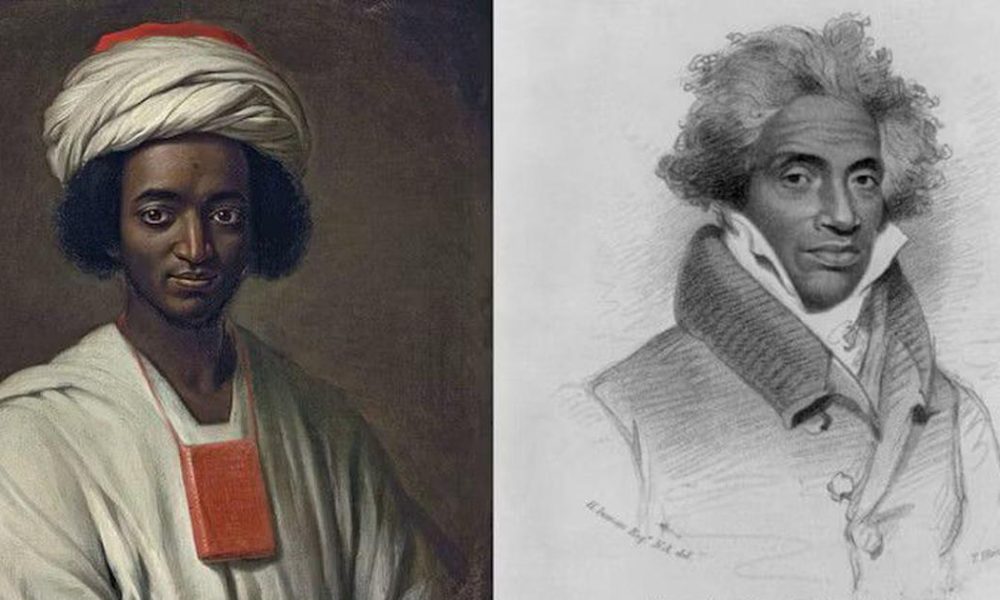
Muslims in America have frequently encountered prejudice and negative stereotypes, particularly in the aftermath of the September 11 attacks. This misconception often overlooks a significant historical truth: Muslims have been integral to the American narrative since its inception. Historical estimates suggest that around 30% of Africans enslaved and transported to the Americas between the 16th and 19th centuries practiced Islam.
The roots of Islam in West Africa date back to the 8th century, which also marked the onset of literacy as many Muslims began to read and write in Arabic, the language of the Quran. This cultural legacy is explored in depth by historian Sylviane A. Diouf in her seminal work, Servants of Allah, published in 1998. Diouf sheds light on the lives of enslaved African Muslims, revealing that among them were clerics, educators, scholars, and merchants. These individuals managed to preserve elements of their identity and heritage despite the brutal conditions of enslavement.
Remarkably, some enslaved Muslims succeeded in documenting their experiences through written records in a language unfamiliar to their enslavers. This act not only showcased their intellectual prowess but also served as a means of cultural preservation. Diouf posits that Islamic faith became a crucial lifeline for many of these individuals, providing a source of “hope, moral comfort, and mental escape” amidst the relentless hardships they faced.
Recent scholarship on the lives of these enslaved African Muslims has unearthed a wealth of writings that offer intimate insights into their day-to-day realities, cultural traditions, and the resilience of their spirit. These narratives reveal a rich tapestry of life, demonstrating how, even under oppressive circumstances, faith and cultural identity played pivotal roles in their resistance against bondage.
As India continues to grapple with its own complexities surrounding identity and faith, the history of enslaved African Muslims serves as a powerful reminder of the enduring strength of community and belief systems. It underscores the importance of acknowledging diverse narratives within the broader human story, allowing us to learn from the past as we navigate contemporary issues of identity and belonging.
Source: scroll.in







No Comment! Be the first one.