

US-Iran Tensions Escalate: Fresh Strikes and Retaliation Shake Gulf Region
In a significant escalation of hostilities, the United States has conducted new military strikes against Iran, following President Donald Trump’s declaration that the ceasefire was no longer in...

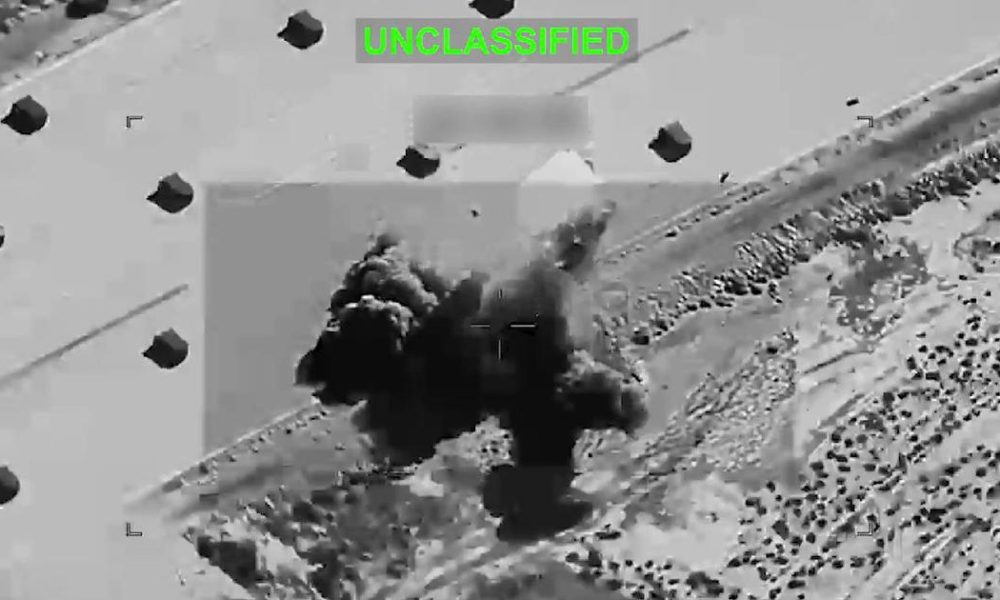
In a significant escalation of hostilities, the United States has conducted new military strikes against Iran, following President Donald Trump’s declaration that the ceasefire was no longer in effect. The strikes, which occurred on Thursday, reportedly resulted in the deaths of eight Iranian military personnel, according to the Islamic Republic News Agency.
In an immediate response, Iran launched attacks on multiple sites in the Gulf, specifically targeting Bahrain, Kuwait, and Qatar. However, reports from the Gulf nations indicated that there were no immediate damages or casualties reported from the Iranian retaliatory strikes.
The US Central Command stated that around 90 military targets were engaged in the Iranian strikes. These included critical assets such as air defense systems, coastal surveillance infrastructure, missile and drone storage facilities, along with naval capabilities and military logistics along Iran’s coastline. The US military has justified these actions as necessary to mitigate Iran’s potential threats to commercial maritime operations and civilian shipping in the strategically vital Strait of Hormuz.
Eyewitness reports from Iranian state media highlighted explosions in various locations, notably in Bushehr, which houses Iran’s nuclear power plant. Additional explosions were reported in southern port cities like Chabahar, Konarak, Bandar Abbas, and Sirik, suggesting a widespread impact of the US strikes.
The backdrop to this recent flare-up includes a series of events that began with allegations of Iranian attacks on liquefied natural gas and crude oil tankers traveling through the Strait of Hormuz, a critical corridor for global oil shipments. This incident was cited as the catalyst for the US military response. Trump has characterized the ongoing conflict with Iran not as a war, but as an initiative aimed at denuclearization, branding it as a necessary action against what he described as aggressive Iranian behavior.
Source: scroll.in







No Comment! Be the first one.