

Trump Declares U.S.-Iran Ceasefire Over Amid Tensions; Four Indians Rescued from Bangladesh
In a significant escalation of tensions between the United States and Iran, President Donald Trump announced that the ceasefire agreement with Iran is now “over.” This statement follows a...

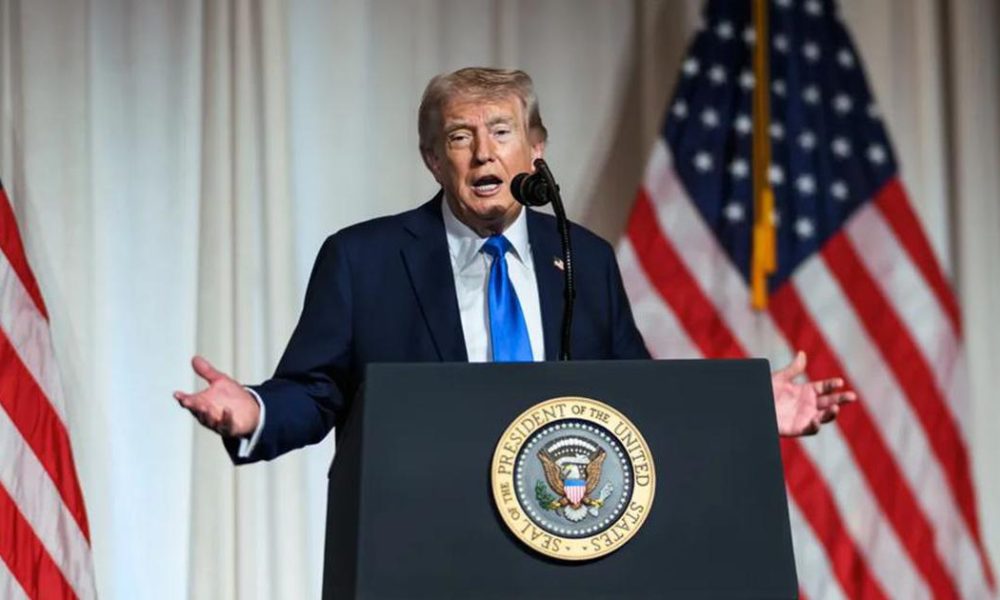
In a significant escalation of tensions between the United States and Iran, President Donald Trump announced that the ceasefire agreement with Iran is now “over.” This statement follows a series of military exchanges between American and Iranian forces, particularly in the strategically vital Strait of Hormuz, where recent confrontations have reignited longstanding conflicts.
Trump, expressing his frustration, stated, “I do not want to deal with them any more,” characterizing Iranian leaders as “scum”. This rhetoric marks a distinct shift in U.S. foreign policy, especially considering the temporary ceasefire was intended to foster a 60-day period for negotiations aimed at achieving a more permanent resolution. Unfortunately, the indirect talks held in Qatar have yielded little to no progress, leaving both nations at an impasse.
Earlier in the day, U.S. military forces conducted airstrikes targeting Iran in retaliation for alleged attacks on three oil and gas tankers moving through the Strait of Hormuz. These incidents have heightened fears of a broader conflict in the region, as the Strait of Hormuz is a crucial route for global energy supplies. The situation has drawn international concern regarding the potential for escalating military encounters and their implications for global stability.
On a different front, the Union government of India has successfully repatriated four individuals from West Bengal’s Birbhum district who were forcibly taken to Bangladesh in June 2025. The group included Danish Sheikh, Sweety Bibi, and her two sons, who entered India through the Mahadipur border crossing in Malda district. Their return follows a complex series of events involving their detention in Delhi alongside Sunali Khatun and her son, Sabir, who had been brought back to India in December 2025 under humanitarian considerations.
The Indian government’s decision to facilitate the repatriation of these individuals received commendation, particularly as it aligns with the country’s commitment to protecting its citizens abroad. On May 22, authorities informed the Supreme Court about their efforts to bring back those who had been coerced into crossing the border. This case underscores the challenges faced by many individuals from border areas and highlights the ongoing dialogue regarding the protection of Indian nationals in foreign jurisdictions.
Source: scroll.in







No Comment! Be the first one.