

Himalayan Glaciers: Climate Change Threatens Water Quality in Indus River Basin
Glaciers, often perceived as pristine reservoirs of freshwater, are proving to be more complex than previously understood. Recent research focusing on the Rulung Glacier in the Ladakh region reveals...

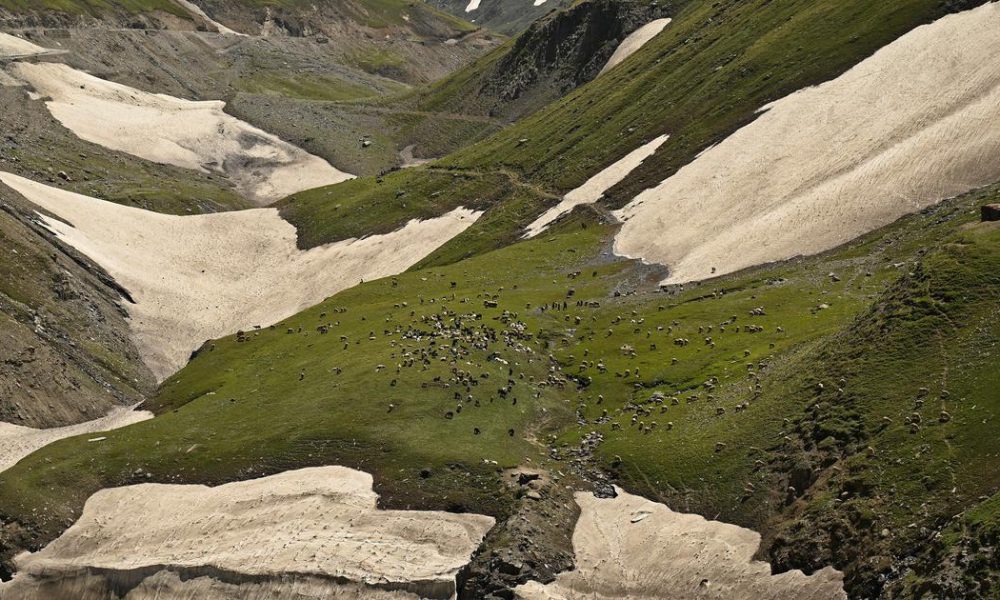
Glaciers, often perceived as pristine reservoirs of freshwater, are proving to be more complex than previously understood. Recent research focusing on the Rulung Glacier in the Ladakh region reveals that climate change is not only accelerating the melting of these ice formations but also altering the chemical makeup of the water they release. This transformation is likely to have significant repercussions for ecosystems, agriculture, and drinking water supplies downstream in the Indus river basin.
Known as the “Water Tower of Asia,” the Himalayas are home to extensive freshwater resources locked within glaciers and snowfields. These glaciers play a crucial role in maintaining the flow of major river systems that support over a billion people across the region. During dry seasons, they act as natural water reservoirs, ensuring a steady supply of meltwater essential for agriculture, hydropower generation, and everyday consumption. In arid areas like Ladakh, where precipitation is limited, communities are particularly reliant on glacier-fed streams, making the implications of changing water chemistry even more pressing.
The ongoing climate crisis is intensifying interactions between meltwater and the underlying rock formations as temperatures rise. This interaction causes the water to acquire new chemical signatures, which can alter its quality. Hydrochemists study these dissolved chemicals to understand the water’s journey and the effects of environmental factors, including human activity. The changes in water chemistry could disrupt local ecosystems, impacting fish populations and other aquatic life while also posing risks to agricultural practices and drinking water sources.
As the Himalayan glaciers continue to retreat, the potential for changes in the hydrochemistry of meltwater raises alarm bells for those who depend on these vital water sources. It’s not just about the quantity of water available; the quality is equally critical. With increasing temperatures leading to accelerated glacier melt, communities in the Indus basin must prepare for the challenges ahead, which could include conflicts over water resources, agricultural challenges, and health risks from contaminated water supplies.
In conclusion, the Himalayan glaciers are facing unprecedented challenges due to climate change, which threatens not only the amount of water released but also its quality. As researchers continue to monitor these changes, it is imperative for local communities and policymakers to recognize the importance of protecting these vital resources to ensure sustainable water management in the region.
Source: scroll.in







No Comment! Be the first one.