

Rising Urban Crisis in India: Alarming Trends in Accidental Deaths and Governance Failures
The tragic incident on June 22, when a fire engulfed a coaching centre in Lucknow, claiming the lives of 15 students, has cast a glaring spotlight on the persistent failures of urban governance in...

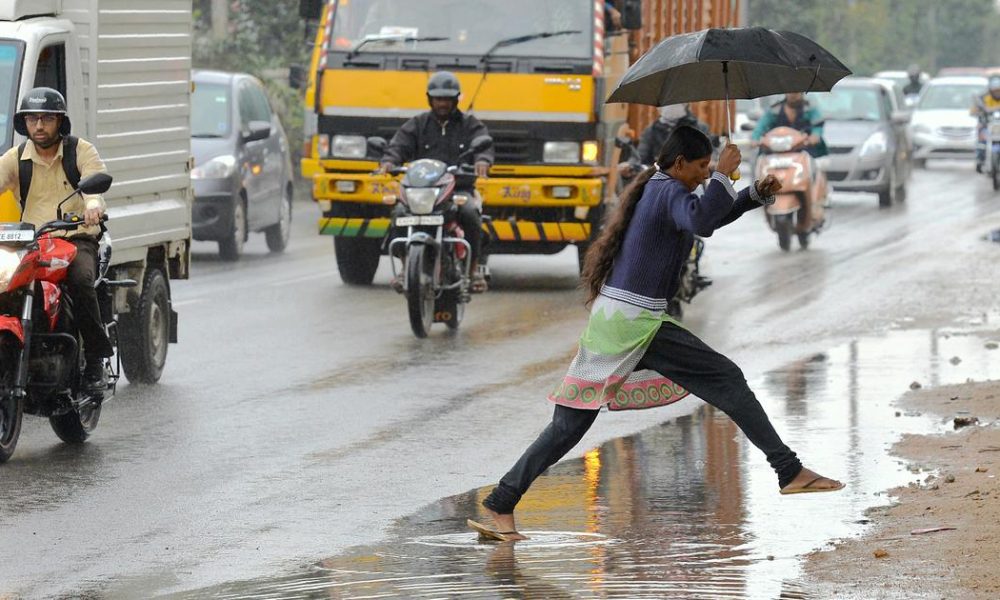
The tragic incident on June 22, when a fire engulfed a coaching centre in Lucknow, claiming the lives of 15 students, has cast a glaring spotlight on the persistent failures of urban governance in India. This calamity not only reflects the dire need for stringent adherence to building regulations but also highlights a governance system that often reacts only after catastrophic events occur. Such incidents are symptomatic of a broader paradox where urbanization is touted as a beacon of development while cities grapple with an escalating crisis.
According to the National Crime Records Bureau’s (NCRB) report on Accidental Deaths & Suicides in India 2024, published in May, the year recorded a staggering 69,378 accidental deaths across 53 mega cities—those with populations exceeding one million. The report underscores a troubling trend, as the predominant urban development model often prioritizes real estate expansion and faster mobility over safety, public health, and social inclusivity. Consequently, the repercussions of such negligence are starkly visible in the statistics related to accidental deaths, including fatalities from fires and various urban accidents.
Road safety emerges as a particularly concerning issue. The report reveals that the rate of accidental deaths in India’s mega cities stands at 43.2 per lakh individuals, markedly higher than the national average of 33.3 per lakh. The data indicates that a significant proportion of these tragic incidents stems from vehicular accidents. Specifically, the 53 mega cities witnessed 73,426 traffic crashes, resulting in 63,519 injuries and 17,797 fatalities. Alarmingly, about 40.3% of these accidents occurred within urban locales, with nearly one-third happening in or around residential zones, raising questions about urban planning and community safety.
In many cities, the emphasis on rapid urbanization has overlooked critical aspects such as road safety and infrastructure resilience. As traffic congestion intensifies and the number of vehicles on roads continues to surge, the pressing need for comprehensive urban planning and effective governance becomes more evident. Such planning must incorporate safety measures and enhance public awareness about road safety protocols to reduce the frequency of accidents and their grave consequences.
Moreover, as urban areas continue to expand, the issue of suicides, often linked to economic distress and a lack of mental health support, necessitates urgent attention. The NCRB report indicates that urban crisis in India is not just limited to road accidents; it encompasses a wide range of societal challenges that stem from inadequate urban policies and governance. To address these issues successfully, policymakers must shift their focus towards sustainable urban development that prioritizes the well-being of residents, ensuring that urbanization translates into true progress rather than a mere façade of development.
Source: scroll.in







No Comment! Be the first one.