

Supreme Court Rejects DMK’s Plea to Prevent Tamil Nadu CM from Commenting on Karur Stampede
The Supreme Court of India has declined to hear a petition from the Dravida Munnetra Kazhagam (DMK) that sought to prohibit Tamil Nadu Chief Minister Vijay from making public statements regarding the...

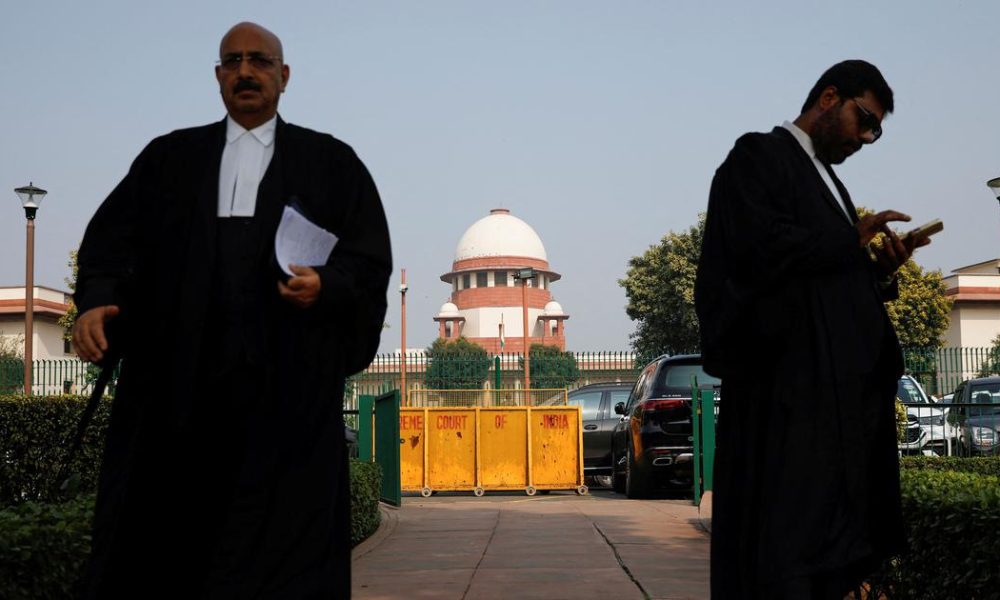
The Supreme Court of India has declined to hear a petition from the Dravida Munnetra Kazhagam (DMK) that sought to prohibit Tamil Nadu Chief Minister Vijay from making public statements regarding the tragic stampede in Karur, which resulted in 41 fatalities. The incident occurred on September 27 during a rally led by the Chief Minister, where it was reported that over 25,000 people gathered despite official permission for only 10,000 attendees.
The DMK’s petition raised critical concerns about the potential impact of government officials’ statements on the ongoing investigation into the stampede. They argued that such communications could unduly influence the findings of the inquiry, which the Supreme Court ordered to be conducted by the Central Bureau of Investigation (CBI) on October 13, following public outcry and demands for accountability.
In the backdrop of the incident, the DMK claimed that comments from Chief Minister Vijay and other leaders of the Tamilaga Vettri Kazhagam (TVK) could affect the investigation’s integrity. They specifically requested that state ministers refrain from discussing the probe or offering welfare assistance to the families of the deceased until the inquiry concluded. This request came ahead of a scheduled meeting between the Chief Minister and the families of the victims, raising concerns about the timing and implications of such interactions.
Notably, the DMK was in power in Tamil Nadu at the time of the stampede; however, following the elections on May 4, the TVK emerged as the dominant political party, leading to Vijay’s appointment as Chief Minister. This political shift adds a layer of complexity to the proceedings, reflecting the evolving dynamics in the state’s governance.
As the situation unfolds, the Supreme Court’s refusal to entertain the DMK’s plea signifies a legal stance that might pave the way for continued public discourse surrounding the tragic event. The incident not only highlights the urgency for a thorough investigation but also underscores the political ramifications that arise in the wake of such disasters in India.
Source: scroll.in





No Comment! Be the first one.