

Unveiling History: Japanese Military Officers’ Exploration of Colonial India
In the early 20th century, a fascinating episode unfolded in the vast landscapes of colonial India, where Japanese military officers ventured across the subcontinent without arousing British...

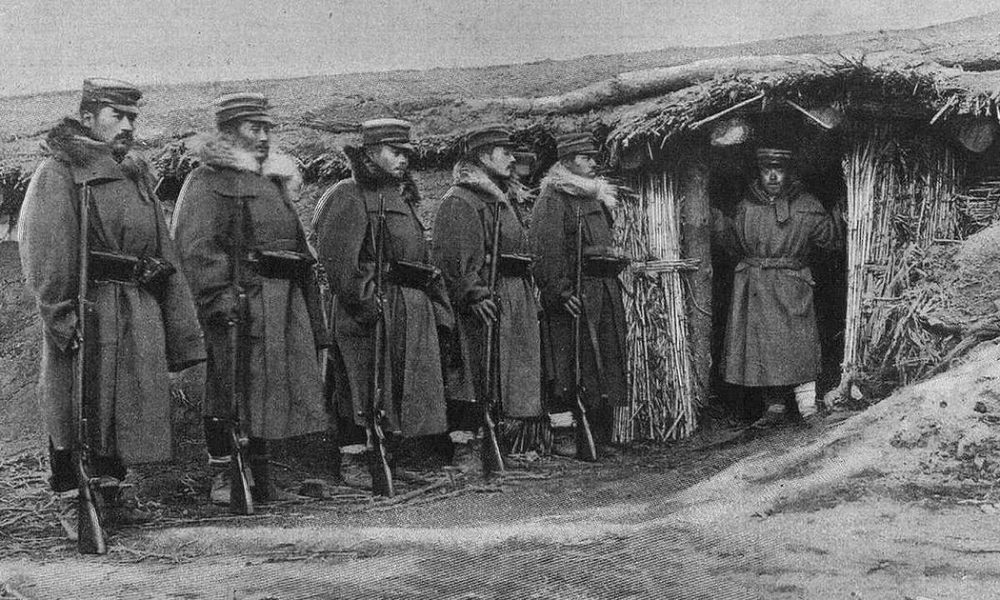
In the early 20th century, a fascinating episode unfolded in the vast landscapes of colonial India, where Japanese military officers ventured across the subcontinent without arousing British suspicion. In 1908, Count Hans von Königsmarck, a German military officer, chronicled his encounter with a Japanese army officer identified only as Mr. Kaito during a journey from Colombo to Tuticorin. The account, detailed in von Königsmarck’s book, ‘A German Staff Officer in India,’ sheds light on the motivations and experiences of these officers amidst the enduring colonial power dynamics.
Mr. Kaito’s mission was not merely a casual exploration; he intended to conduct a systematic study of India. His passion for documenting the land he traversed was evident as he scribbled notes and sketches during their travels. This dedication sparked curiosity in von Königsmarck, who expressed bewilderment at Kaito’s fervor, especially in what he described as the ‘dirty scrub’ of the Indian landscape. Yet, Kaito’s undeterred enthusiasm suggested deeper political and cultural motivations behind his journey.
One significant aspect of Kaito’s exploration was his vocal resentment towards European colonialism in Asia. He believed in the motto, “Asia for the Asiatics,” reflecting a growing sentiment among many Asian nations at the time, seeking liberation from Western dominance. This perspective resonates with the historical context of the early 20th century, where Asian countries were grappling with the powerful grip of European imperialism. Kaito’s observations during their travels were not only personal reflections but also strategic assessments of the geopolitical landscape, aiming to understand the dynamics at play in a colonized nation.
The duo’s train journey across Sind brought further revelations. As they crossed the railway bridge over the Indus River, von Königsmarck noted Kaito’s increasing excitement and urgency as he scanned the surroundings and made detailed notes. This behavior signified more than mere curiosity; it pointed to a meticulous collection of intelligence that could potentially inform Japan’s military and diplomatic strategies moving forward. Such exploratory missions by Japanese officers in colonial territories highlight an era of burgeoning Asian nationalism and the quest for knowledge that could empower their nations against colonial powers.
These historical encounters underscore a lesser-known narrative of colonial India, where the presence of Japanese military officers was intertwined with broader Asian aspirations for autonomy and dignity. Kaito’s journey serves as a reminder of the complex interplay of nations during a time of upheaval and change, emphasizing how the quest for knowledge often played a role in shaping political allegiances and national identities. The legacy of these explorations continues to resonate today, inviting contemporary reflections on the implications of colonial history in the landscapes of modern India.
Source: scroll.in







No Comment! Be the first one.