

Political Interference in Sports: FIFA’s Controversial Decision on Balogun’s Suspension
In a surprising turn of events, FIFA has suspended a one-match ban on US striker Folarin Balogun, allowing him to participate in the crucial Round of 16 match against Belgium in the FIFA World Cup....

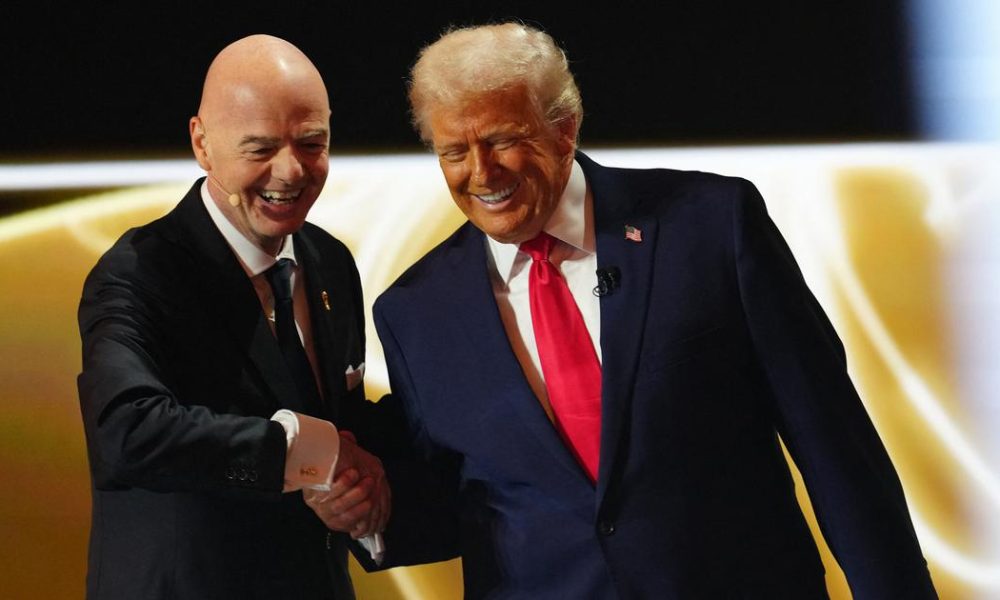
In a surprising turn of events, FIFA has suspended a one-match ban on US striker Folarin Balogun, allowing him to participate in the crucial Round of 16 match against Belgium in the FIFA World Cup. This decision follows a red card he received during the previous game against Bosnia and Herzegovina. The intervention by US President Donald Trump, who reportedly contacted FIFA President Gianni Infantino to advocate for Balogun, has sparked widespread outrage and concern over the potential politicization of sports.
The suspension of Balogun’s ban has drawn mixed reactions, with the US national team welcoming the ruling as it could enhance their chances against a formidable Belgian side. Trump expressed his satisfaction over the decision on his social media platform, Truth Social, stating, “Thank you to FIFA for doing what was right, and reversing a great injustice!” The statement reflects the ongoing intertwining of sports and politics, particularly in the context of major international events.
However, the Royal Belgian Football Association has voiced its astonishment at FIFA’s ruling, emphasizing that the regulations of the tournament mandate an automatic suspension following a red card. The association has indicated its intention to explore all possible legal avenues in response to this unprecedented decision. This situation raises questions about the integrity of sporting regulations and the influence of political figures on sporting bodies.
As the world watches the World Cup unfold, the incident also highlights a broader concern about the intersection of sports and politics, a phenomenon that has historically remained largely off the pitch. If Trump’s reported lobbying is true, this could set a concerning precedent where political power is leveraged to alter on-field decisions, potentially undermining the spirit of fair competition.
For many fans and analysts alike, the implications of such political interventions extend beyond the immediate outcome of a match. In a sport that prides itself on fairness and adherence to regulations, the alteration of a player’s suspension due to political pressure could create a dangerous precedent. As the tournament progresses, this issue is likely to remain a pivotal talking point, influencing not only the US team’s campaign but also the global perception of FIFA’s governance.
Source: scroll.in







No Comment! Be the first one.