

Arunachal Pradesh Hydropower Project Threatens Endangered White-Bellied Heron Habitat
The recent approval of a hydropower project in Arunachal Pradesh has sparked concerns among conservationists regarding the potential impact on the critically endangered white-bellied heron and other...

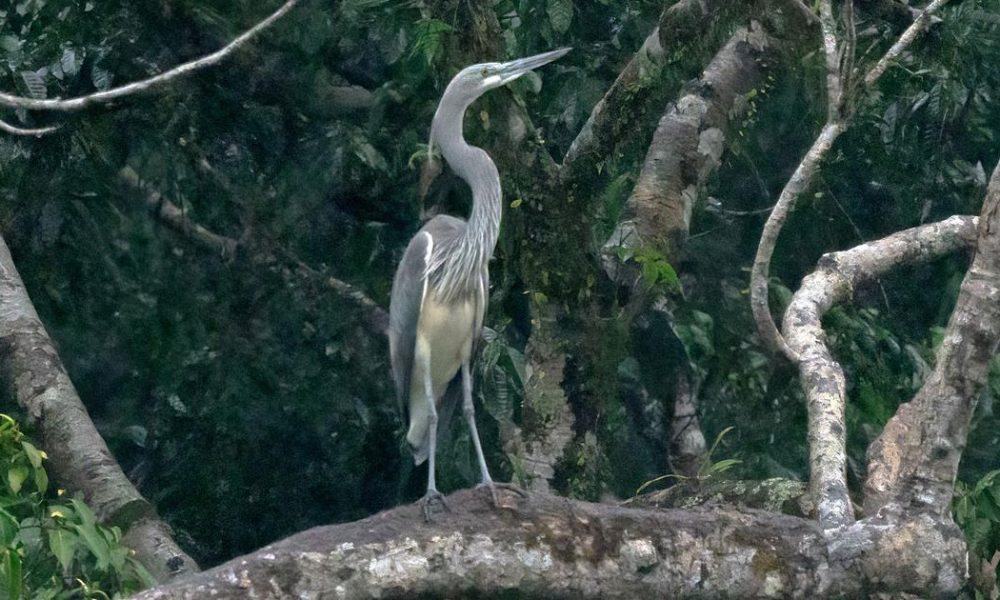
The recent approval of a hydropower project in Arunachal Pradesh has sparked concerns among conservationists regarding the potential impact on the critically endangered white-bellied heron and other endemic species in the region. The Forest Advisory Committee (FAC), under the Ministry of Environment, granted “in principle” approval for the 1,200-megawatt Kalai II hydroelectric power plant, which is set to be constructed on the Lohit River, a tributary of the Brahmaputra, in the Anjaw district.
The white-bellied heron, with global population estimates of fewer than 60 individuals as of 2015, is known to inhabit tropical wet forests and is an integral part of the Eastern Himalaya biodiversity hotspot. This area, rich in flora and fauna, is essential for maintaining ecological balance and supporting numerous species. However, the project entails the clearing of approximately 33,338 trees, raising alarm among environmentalists who fear irreversible damage to the habitat of this rare bird.
In a meeting held on May 8, the FAC acknowledged the ecological significance of the region but noted the absence of the white-bellied heron from the list of important species that could be affected by the project. This oversight has drawn criticism from wildlife experts who argue that the bird’s unique habitat is intrinsically linked to the preservation of its population. To offset the environmental impact of the dam, the FAC has proposed afforestation efforts in Madhya Pradesh, a move described by conservationists as inadequate and disconnected from the actual needs of the heron.
The decision has reignited debates on the balance between development and conservation, highlighting the ongoing challenges faced in protecting India’s rich biodiversity amidst increasing infrastructure demands. Activists are calling for a reassessment of the project’s viability, stressing the necessity of considering the long-term ecological consequences and the preservation of threatened species like the white-bellied heron.
As the project moves forward, the fate of the white-bellied heron hangs in the balance, symbolizing the broader struggle to harmonize ecological integrity with developmental aspirations in India. Stakeholders, including the local communities, conservationists, and policymakers, must engage in dialogue to find sustainable solutions that ensure the protection of the environment while fostering economic progress.
Source: scroll.in







No Comment! Be the first one.