

Exploring Identity and Belonging: The Translation of Chandu Maheria’s Dalit Memoir
One of the most profound aspects of creativity is the concept of home, both in a literal and metaphorical sense. This notion is beautifully captured in Arun Kolatkar’s poem “To a...

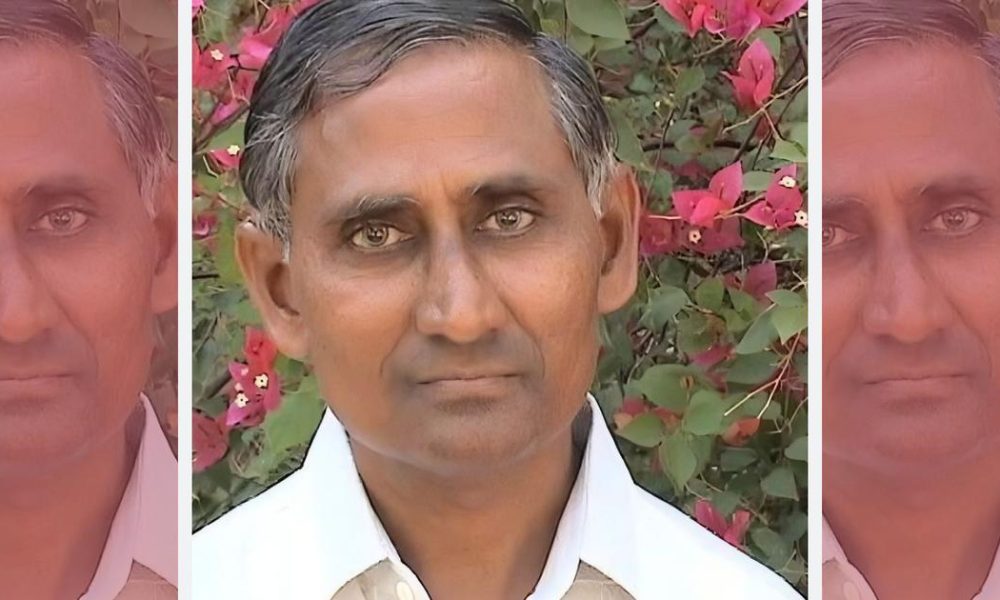
One of the most profound aspects of creativity is the concept of home, both in a literal and metaphorical sense. This notion is beautifully captured in Arun Kolatkar’s poem “To a Crow,” where the bird reflects on the perfect twig for its nest, which serves as a metaphor for the universal human quest for identity and belonging. Such creative struggles often delve into the dualities of self and other, where home can represent both sanctuary and confinement.
The memoir “Homes Without Windows” by Chandu Maheria provides a poignant exploration of this theme, highlighting the journey of Dalit communities who, post-independence, migrated to working-class neighborhoods in Ahmedabad, such as Rajpur and Gomtipur. Maheria’s narrative unearths the rich tapestry of life among these communities, revealing the challenges and triumphs faced by individuals as they sought to carve out spaces of belonging in a society marked by caste divisions.
Maherias’s work serves as a critical lens through which we can examine the historical and social dynamics that have shaped the experiences of Dalits in India. The migration story sheds light on the broader implications of caste-based discrimination, revealing how the legacy of social hierarchies impacts the everyday lives of individuals. The memoir is not just a personal account; it is a reflection of collective struggles and aspirations.
Translating such a deeply personal and culturally significant work is both an honor and a challenge. It requires a delicate balance between capturing the essence of Maheria’s voice while making it accessible to a wider audience. The act of translation itself becomes a means of constructing and deconstructing homes—creating pathways for understanding and empathy while navigating the intricate web of language and culture.
As readers engage with “Homes Without Windows,” they are invited to confront their perceptions of home, identity, and the complex realities of caste in contemporary India. Maheria’s memoir resonates with anyone who has ever grappled with the concept of belonging, making it a vital contribution to Indian literature and the discourse on social justice.
Source: scroll.in







No Comment! Be the first one.