

Supreme Court’s Ruling on Pedestrian Rights: A New Era for Urban Planning in India
In a landmark judgment on June 19, the Supreme Court of India formally recognized the right to walk safely as an integral part of the right to life. This pivotal decision goes beyond mere pedestrian...

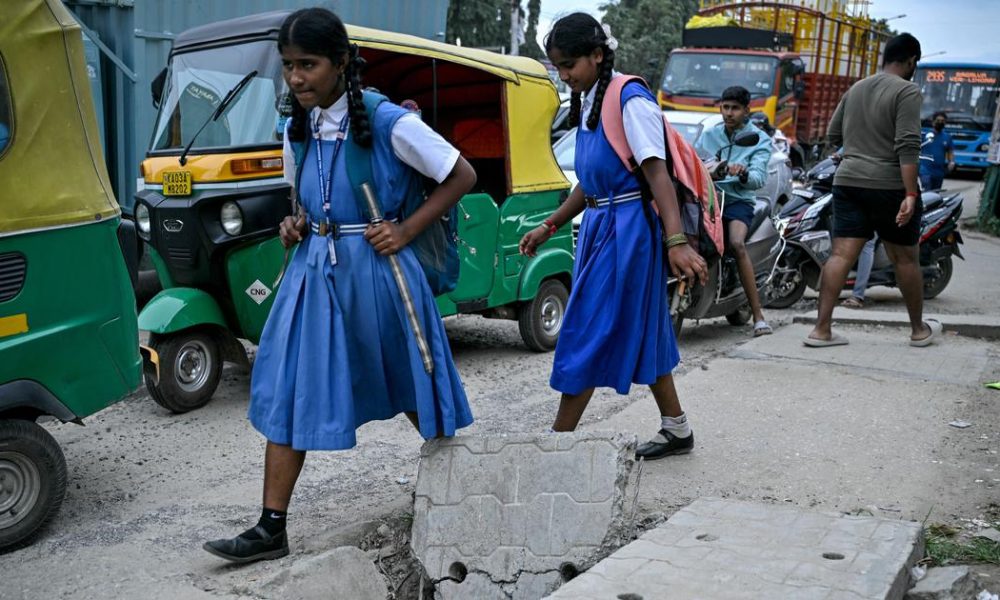
In a landmark judgment on June 19, the Supreme Court of India formally recognized the right to walk safely as an integral part of the right to life. This pivotal decision goes beyond mere pedestrian safety; it questions the fundamental priorities in urban infrastructure and development across Indian cities.
Walking is an essential mode of transport in urban India, accounting for approximately 25% to 33% of all trips, as highlighted by the Institute for Transportation and Development Policy India. Despite its significance, pedestrians have long been overlooked in urban planning and public investment. For decades, city development has largely focused on constructing highways, flyovers, and metro lines, while the basic infrastructure that supports daily walking—such as pavements, pedestrian crossings, and bus stops—has often been neglected.
The imbalance in urban investment is glaring. While cities announce new roads and major transport projects with great fanfare, the pedestrian infrastructure necessary for safe and accessible urban mobility remains underfunded and poorly designed. Roads are primarily engineered for vehicles, facilitating swift transportation, whereas streets are vital for fostering everyday urban interactions and supporting community life.
Understanding this distinction is crucial. Streets are the starting and ending points of most journeys, including metro rides. They are where children walk to school, where workers navigate to bus stops, and where the elderly go to local markets. A well-planned street integrates public transport, utilities, green spaces, and safe walking areas, thus enhancing the quality of urban life.
As Indian cities evolve, this Supreme Court ruling serves as a clarion call for urban planners and policymakers. It emphasizes the need to reevaluate how cities are designed and highlights the importance of creating pedestrian-friendly environments. By prioritizing the infrastructure that supports walking, cities can facilitate a more inclusive and sustainable urban experience, ultimately improving the quality of life for all residents.
Source: scroll.in







No Comment! Be the first one.