

Reflections on Democracy: Can America’s Foundations Endure Under Trump’s Leadership?
As the United States approaches a significant milestone—its 250th anniversary of independence on July 4—it is an opportune moment to reflect on the thoughts of its founding fathers. One of the most...

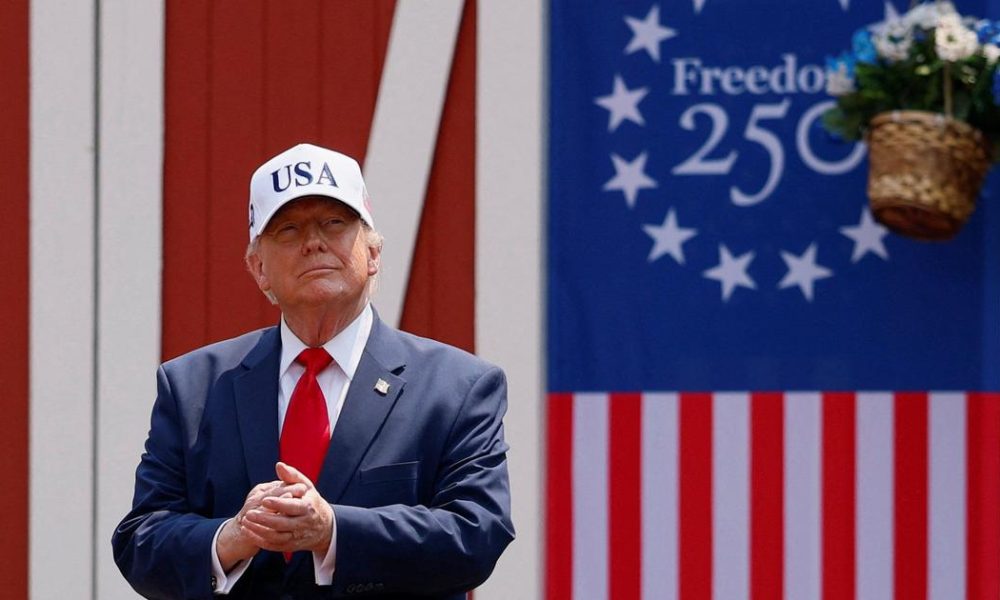
As the United States approaches a significant milestone—its 250th anniversary of independence on July 4—it is an opportune moment to reflect on the thoughts of its founding fathers. One of the most notable figures, Thomas Jefferson, cautioned against the dangers of what he termed ‘elective despotism’ in his writings. Jefferson, a key author of the Declaration of Independence, believed that the essence of a free state hinged on protecting the public treasury and upholding the rule of law from the grasp of concentrated wealth.
Jefferson’s foresight highlights a fundamental concern: when governmental power begins to mirror corporate interests, it risks undermining the democratic values that serve its citizens. Instead of acting as a guardian for the populace, such a government might exploit or neglect their needs. In light of Jefferson’s warnings, the current political landscape in America, particularly under President Donald Trump, raises pertinent questions about the resilience of the nation’s institutional foundations.
As America celebrates its long-standing democracy, the question arises: Can the systems established by the country’s founders withstand the pressures of political power concentration? History offers a cautionary tale, illustrated by an event from ancient Rome in 193 BCE. An imperial auction during this era serves as a reminder of the fragility of power and governance. Following the assassination of a reformist emperor, the power dynamics devolved into a spectacle where political influence was auctioned off to the highest bidder, illustrating the vulnerability of a state to corruption and exploitation.
This historical reflection is especially relevant today. The concentration of political authority can manifest in various forms, and the potential for governance to turn into a means of enrichment for a select few poses significant risks. As American democracy stands at a crossroads, the challenge lies in ensuring that its systems remain robust enough to prevent the emergence of a new despotism.
In conclusion, as the United States marks its 250 years of independence, it is crucial to heed the warnings of its founders. The resilience of democracy depends not only on strong institutions but also on an informed and engaged citizenry ready to safeguard its values. The path forward requires vigilance and a commitment to the principles that have defined the nation from the outset. Whether America can uphold these tenets amid contemporary challenges will be a defining question for the next chapter of its history.
Source: scroll.in







No Comment! Be the first one.