

The Role of English in India: Uniting or Dividing the Nation?
In March 2023, a literature festival held in Chandigarh became a platform for significant discourse on the role of English in India’s educational landscape. Notably, Sankrant Sanu, the author...

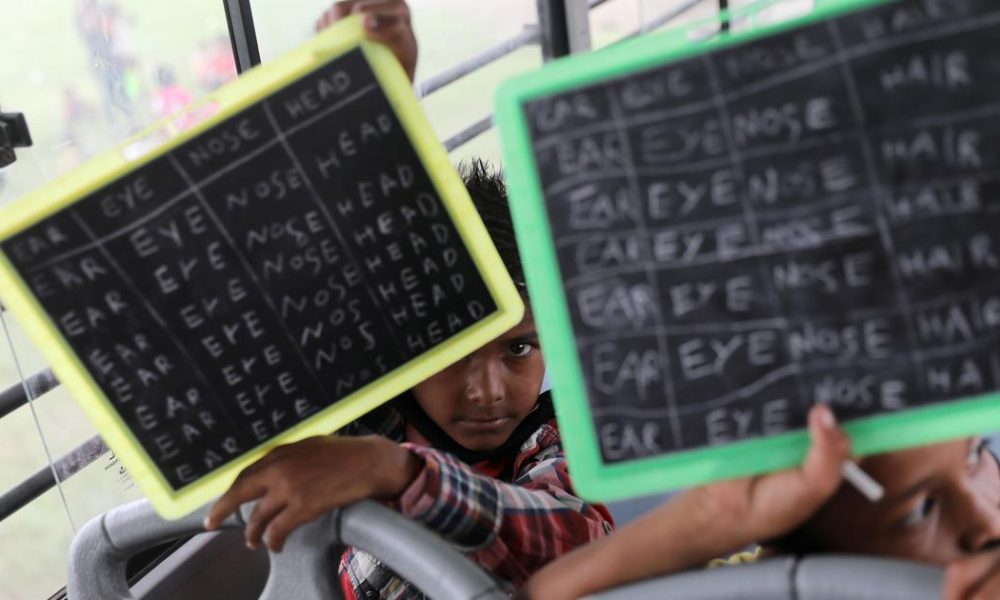
In March 2023, a literature festival held in Chandigarh became a platform for significant discourse on the role of English in India’s educational landscape. Notably, Sankrant Sanu, the author of The English Medium Myth: Dismantling Barriers to India’s Growth, raised pertinent questions about the predominance of English in higher education. He argued for the necessity of conducting higher education in regional languages, emphasizing that many capable individuals in India are deprived of opportunities in fields like Medicine, Law, and Engineering due to their lack of early English education.
Sanu’s remarks echo a broader narrative that has gained traction in recent years, especially following comments made by the Prime Minister. He urged the nation to liberate itself from what is referred to as the ‘Macaulay Mindset.’ This mindset, as articulated in the historical context, refers to the colonial legacy that prioritized English over indigenous languages and cultures, which many believe continues to affect India’s educational system.
The term ‘Macaulay Mindset’ originates from a speech delivered by Thomas Babington Macaulay in 1835, an event now known as the Macaulay Minute. In his address, Macaulay asserted that “a single shelf of a good European library was worth the whole native literature of India and Arabia.” His intent, as he stated, was to foster a class of Indians who were “English in taste, opinions, morals, and intellect,” essentially shaping a new societal elite aligned with colonial ideals.
This legacy is still felt in contemporary India, where English serves as a medium of instruction in many prestigious institutions, often alienating students who are more comfortable in their native languages. Critics argue that this practice not only hinders academic growth for many talented individuals but also perpetuates social divides, separating those who can afford English education from those who cannot.
As educational policies and cultural conversations evolve, the challenge remains: How can India reconcile its colonial past with a future that embraces its diverse linguistic heritage? Advocates for regional languages argue that reviving indigenous languages in education can enhance not only accessibility but also cultural relevance. As the debate continues, the impact of English on unity and division within Indian society remains a crucial conversation.
Source: scroll.in







No Comment! Be the first one.