

Celebrating Unsung Heroes: The Legacy of Har Mander Singh and the Indian Frontier Administrative Service
While India honors its prominent founding figures on their birth anniversaries, many lesser-known yet significant contributors to the nation often remain in the shadows. One such individual worthy of...

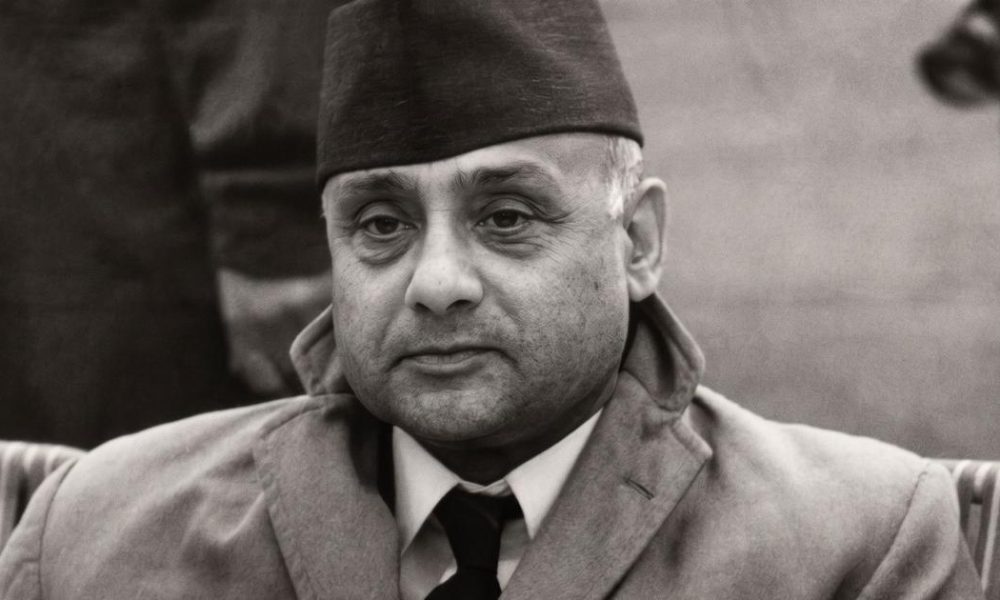
While India honors its prominent founding figures on their birth anniversaries, many lesser-known yet significant contributors to the nation often remain in the shadows. One such individual worthy of recognition is Har Mander Singh, whose birth centenary serves as a reminder of the impactful contributions made by members of the Indian Frontier Administrative Service (IFAS). Born on June 27, 1926, Singh played a pivotal role in shaping the nation during a transformative period in its history.
The Indian Frontier Administrative Service was a unique initiative aimed at nation-building, particularly in the northeastern regions of India. It sought to bridge cultural divides and promote unity within the diverse tapestry of Indian society. The establishment of the IFAS came at a time when the newly independent nation faced the daunting challenge of integrating various tribal communities into the broader national framework. Singh and his contemporaries worked tirelessly to address the complexities of tribal governance and development.
My introduction to the IFAS occurred in the early 1990s while I was researching the life of anthropologist Verrier Elwin. This British-born scholar, who dedicated over twenty-five years to living among the tribes of central India, became a notable figure in the realm of tribal affairs after adopting Indian citizenship post-independence. Elwin’s appointment as Anthropological Adviser to the North East Frontier Agency (the predecessor to Arunachal Pradesh) by Prime Minister Jawaharlal Nehru reflected a vision for a more inclusive and informed governance model for tribal communities.
Elwin’s selection was not merely a bureaucratic decision; Nehru recognized the importance of having someone who possessed a genuine empathy and understanding of tribal issues. This approach highlighted the broader ethos behind the establishment of the IFAS, which aimed to blend administrative efficiency with a nuanced appreciation for the diverse cultures residing within India’s borders.
As we commemorate Har Mander Singh’s contributions, it’s essential to reflect on the broader implications of the IFAS in contemporary Indian society. The commitment of individuals like Singh to the cause of nation-building serves as a reminder of the collaborative spirit that is crucial for addressing today’s challenges. By acknowledging their sacrifices and efforts, we not only honor their legacy but also inspire future generations to engage in similar endeavors aimed at fostering unity and progress.
Source: scroll.in







No Comment! Be the first one.