

Emerging Trend of Female Cannibals in Horror Fiction Captivates Readers
In recent years, a notable trend has emerged within the realm of horror literature: the portrayal of female cannibals. This intriguing evolution in storytelling reveals complex narratives that...

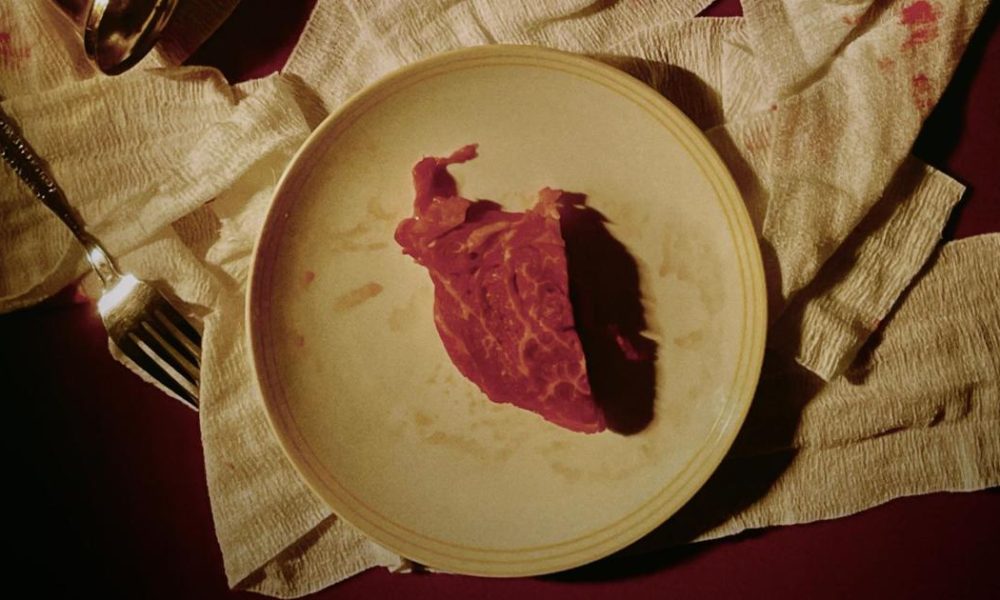
In recent years, a notable trend has emerged within the realm of horror literature: the portrayal of female cannibals. This intriguing evolution in storytelling reveals complex narratives that intertwine horror with feminist themes, challenging traditional norms and expectations. Notable works such as Monika Kim’s The Eyes are the Best Part (2025) and Delilah S Dawson’s Bloom (2023) have captivated audiences by presenting female characters who engage in cannibalistic acts, often as a means of reclaiming power.
In Kim’s novel, a college student confronts the male gaze by consuming the eyeballs of men who objectify her. This act serves as a metaphor for the struggle against misogyny and the reclaiming of agency. Similarly, Dawson’s character, seemingly living a picturesque life, incorporates human remains into her organic products, blurring the lines between idyllic domesticity and grotesque reality. Such narratives are not only gripping but also provoke thoughtful discussions on gender dynamics and societal expectations.
Furthermore, the trend isn’t limited to these two titles. Several other novels released recently, including Lucy Rose’s The Lamb, Olivie Blake’s Girl Dinner, and Catherine Dang’s What Hunger, delve into the theme of cannibalism from a distinctly feminine perspective. This shift is significant; while cannibalism has long been a staple in horror—think of legendary figures like Leatherface from The Texas Chain Saw Massacre and Hannibal Lecter from The Silence of the Lambs—the recent wave of female-centric narratives adds layers of complexity that resonate with contemporary readers.
These stories of female cannibals often depict characters who are not just monstrous but also deeply flawed and multifaceted. They are angry, violent, and unapologetic, embracing their darker instincts in a world that often seeks to suppress them. This portrayal reflects broader societal anxieties, particularly concerning women’s roles and the expectations placed upon them. As horror has historically thrived during periods of societal tension, these narratives encapsulate the fears and frustrations of modern life.
In India, as horror fiction gains traction, the emergence of female cannibal characters could pave the way for similar explorations in local literature. Indian authors might find inspiration in these themes, weaving narratives that reflect the unique cultural landscape while challenging traditional gender roles. As readers become more receptive to unconventional storytelling, the potential for innovative literature grows, offering fresh perspectives on age-old themes.
Source: scroll.in







No Comment! Be the first one.