

Resilient Communities in India: Building a Quiet Resistance Against Climate Change
In the face of escalating climate crises, many communities across India are emerging as symbols of resilience. These groups are not merely reacting to environmental challenges; they are proactively...

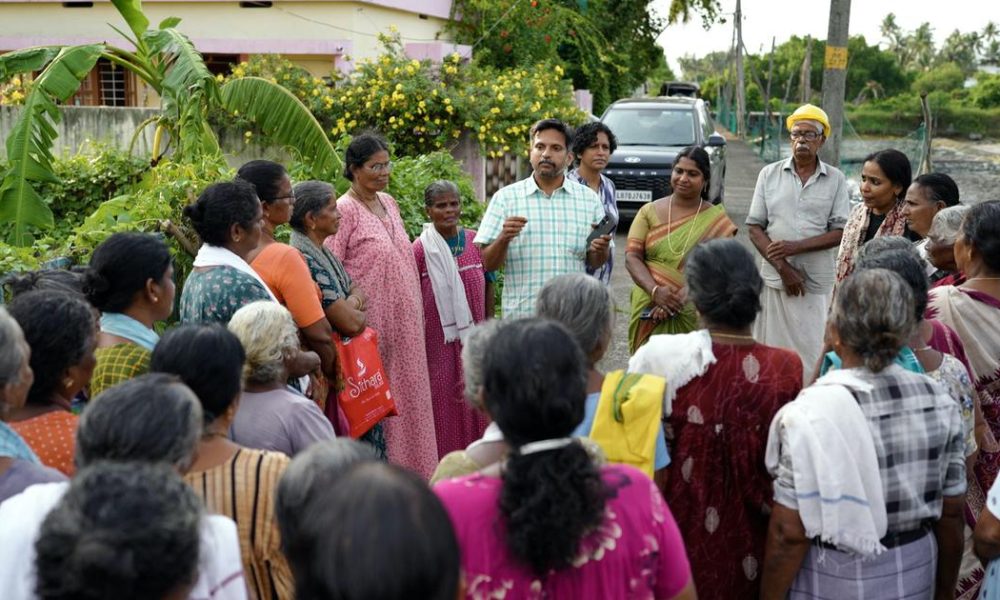
In the face of escalating climate crises, many communities across India are emerging as symbols of resilience. These groups are not merely reacting to environmental challenges; they are proactively crafting solutions that embody sustainable practices and encourage a collective form of quiet resistance against the adverse effects of climate change. From urban centers to rural villages, the efforts to mitigate climate impact are both diverse and deeply rooted in local traditions.
One significant example can be observed in the coastal regions, where fishing communities have started adopting eco-friendly practices to combat the rising sea levels and unpredictable weather patterns. Initiatives such as mangrove restoration and sustainable fishing techniques demonstrate their commitment to not only preserving their livelihoods but also their natural environment. These practices not only help in adapting to climate changes but also contribute to biodiversity conservation.
Similarly, in the arid regions of Rajasthan, villages are banding together to implement rainwater harvesting systems, creating a vital resource for agriculture and daily use. Through community-led workshops and awareness campaigns, local leaders educate residents on the importance of water conservation, ensuring that every drop counts. This grassroots movement showcases how indigenous knowledge and community spirit can transform challenges into opportunities.
In urban contexts, cities like Bengaluru and Delhi have witnessed a surge in citizen-led initiatives aimed at combating air pollution and promoting green spaces. Community gardens, tree planting drives, and awareness programs on waste segregation are gaining momentum, as residents realize that collective action is key to fostering a healthier environment. These urban movements not only address immediate concerns but also inspire a culture of sustainability among the younger generations.
Moreover, the involvement of local NGOs and governmental support plays a crucial role in amplifying these efforts. By providing resources, training, and funding, these organizations are enabling communities to implement larger-scale projects that can bring about significant changes. As the impacts of climate change become more pronounced, such collaborative efforts are essential for building resilience and ensuring a sustainable future for generations to come.
Source: scroll.in







No Comment! Be the first one.