

Rediscovering a Piece of History: The Search for Netaji Bose’s Monument Fragment in Singapore
For history enthusiasts traveling to Singapore, a visit to Esplanade Park is often considered a significant pilgrimage. This park is home to what is known locally as the Former Indian National Army...

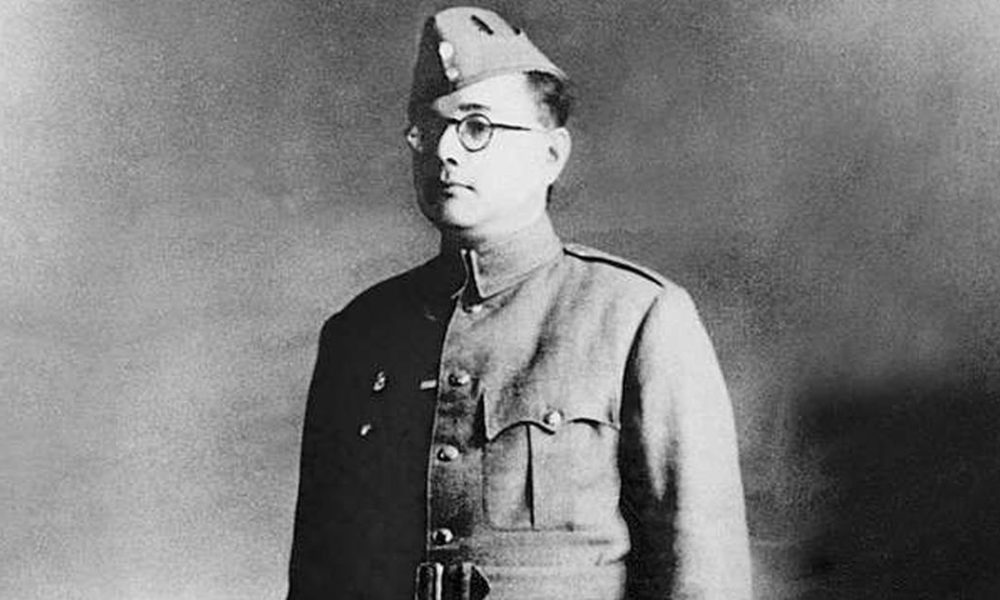
For history enthusiasts traveling to Singapore, a visit to Esplanade Park is often considered a significant pilgrimage. This park is home to what is known locally as the Former Indian National Army (INA) Monument. It was in July 1945 that Subhas Chandra Bose, revered leader of the INA, laid the foundation stone for a memorial intended to honor the unidentified soldiers of the INA. Although the monument was completed and unveiled by the Japanese forces later that same August, its existence was short-lived; British forces demolished it shortly after reoccupying the city.
In the ensuing decades, efforts were made to commemorate this important historical site. In the 1990s, Singapore’s National Heritage Board, supported by contributions from the local Indian community, constructed a new marker precisely where Bose’s original monument once stood. Despite the destruction of the original structure, a small piece of it managed to survive the wreckage.
When British forces, acting under orders from Louis Mountbatten, dismantled the memorial, a few INA members successfully salvaged a fragment of the monument. Understanding the significance of this last remaining piece associated with their leader, whom they affectionately called Netaji, these individuals took great risks to ensure its preservation. They clandestinely transported the relic back to India, defying the oppressive circumstances of the time.
By the year 1946, this precious fragment found its way into the possession of Shah Nawaz Khan, a distinguished former British Indian Army officer who had become a major general in the INA. Khan, a close confidant of Bose, had faced capture by British forces during the tumultuous final days of colonial rule. The fragment has since become a symbol of resilience and historical pride for many, encapsulating a part of India’s struggle for independence.
Today, the search for this relic continues as historians and enthusiasts alike strive to uncover more about its journey and preserve its legacy. The fragment not only serves as a reminder of the sacrifices made by countless individuals during the freedom struggle but also highlights the enduring connection between India and Singapore. As both nations continue to strengthen their ties, the quest to honor such historical artifacts remains vital to fostering mutual respect and understanding.
Source: scroll.in





No Comment! Be the first one.